How Often Should You Clean Air Ducts in Florida?
Quick answer: In Florida, air ducts shouldn't be cleaned on a fixed calendar "just because." EPA guidance is to clean when needed, and Florida's humidity and near year-round A/C use can make "needed" show up sooner—especially after water issues, heavy dust/debris events, or visible contamination. If you're noticing musty odors, dust blowing from vents, or airflow changes, call Air Duct & Chimney Services at 813-513-7861 for an inspection and estimate.
Table of Contents
- What is Air Duct Cleaning
- Florida-Specific Considerations
- When to Clean Your Air Ducts (Recommended Frequency)
- Warning Signs You Need Air Duct Cleaning Now
- DIY vs Professional
- What Professional Service Includes
- Common Mistakes to Avoid
- FAQs
What is Air Duct Cleaning
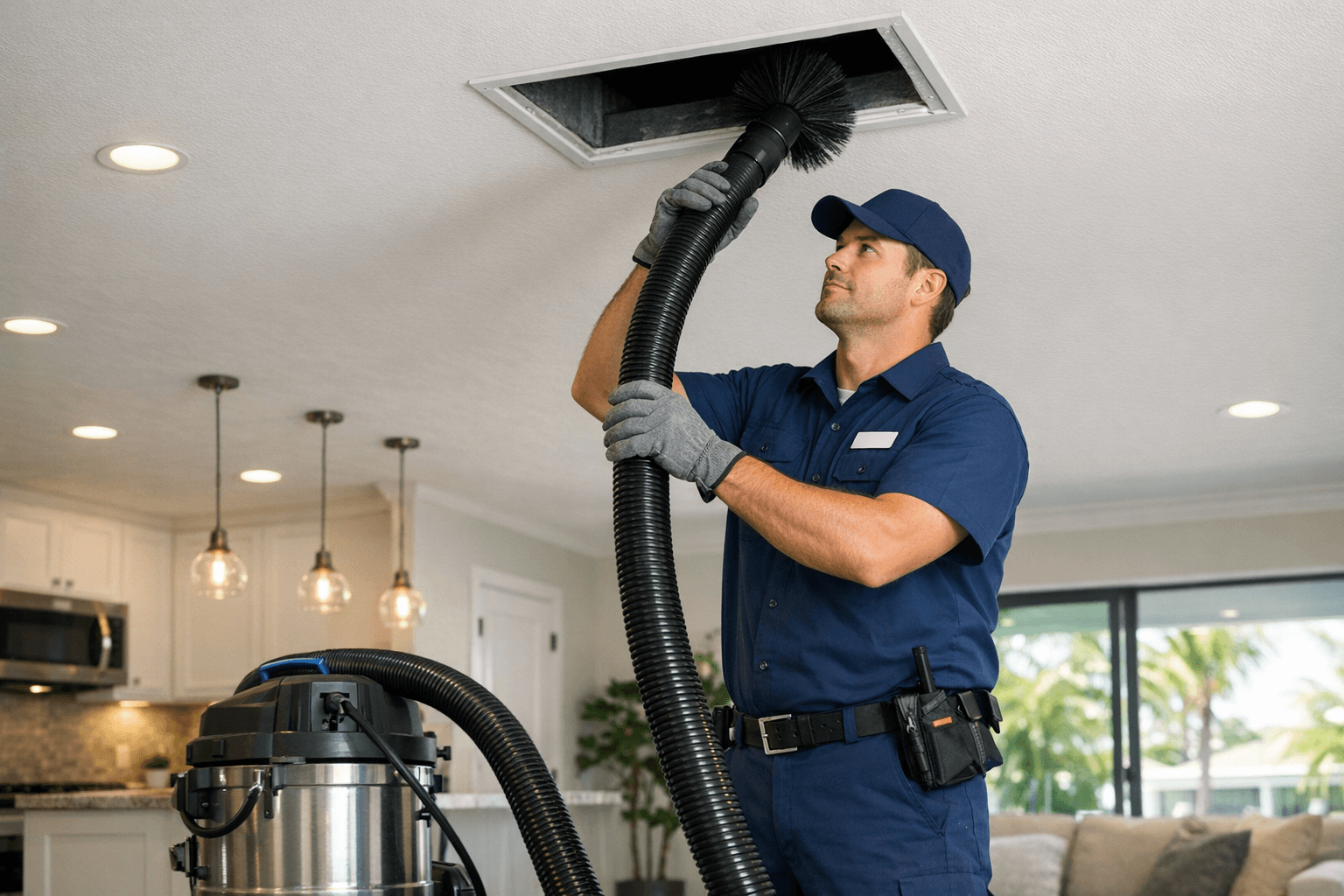
Air duct cleaning is the process of removing dust, debris, and buildup from your home's HVAC air distribution system. That typically includes supply ducts, return ducts, registers/grilles, and often accessible HVAC components where debris collects.
A proper cleaning focuses on source removal—physically dislodging and capturing contamination so it doesn't remain in the ductwork or get released into your home during the process. It's not a "spray-and-go" service and it's not the same thing as routine HVAC maintenance like changing filters.
Most importantly for homeowners: duct cleaning is not automatically required on a schedule. EPA's position is that ducts should be cleaned as needed, such as when there's visible mold growth, pest infestation, or excessive dust/debris releasing into the home.
Florida-Specific Considerations
Florida homes have a few realities that can push duct issues from "minor dust" to "needs attention" faster than you might expect:
- Humidity and moisture risk: Moisture control is the key to preventing mold. If your HVAC system or ductwork has condensation problems, leaks, or water intrusion, buildup can become more than just dust.
- Year-round A/C operation: Longer run times can mean more air movement through returns, more filtration demand, and more opportunities for dust to collect at registers, returns, and inside the air handler cabinet.
- Hurricane and storm debris conditions: After major storms, fine debris, insulation particles, and building materials can enter homes during repairs, drywall work, or from compromised building envelopes.
- Salt air (coastal exposure): Coastal air can contribute to corrosion and residue on HVAC components (like coils and metal surfaces), which can impact performance and increase maintenance needs.
- Allergen load and indoor dust: Florida pollen seasons plus indoor dust can build up quickly—especially if filters are low-grade, changed infrequently, or if return leaks pull in attic/crawlspace dust.
- Pests: Duct systems can become a pathway or nesting area when there are gaps, disconnected runs, or damaged insulation—especially around returns and chases.
Bottom line: Florida doesn't mean "clean every year." It means you should be more alert to moisture, debris events, and HVAC performance changes—then clean when there's a clear reason.
When to Clean Your Air Ducts (Recommended Frequency)
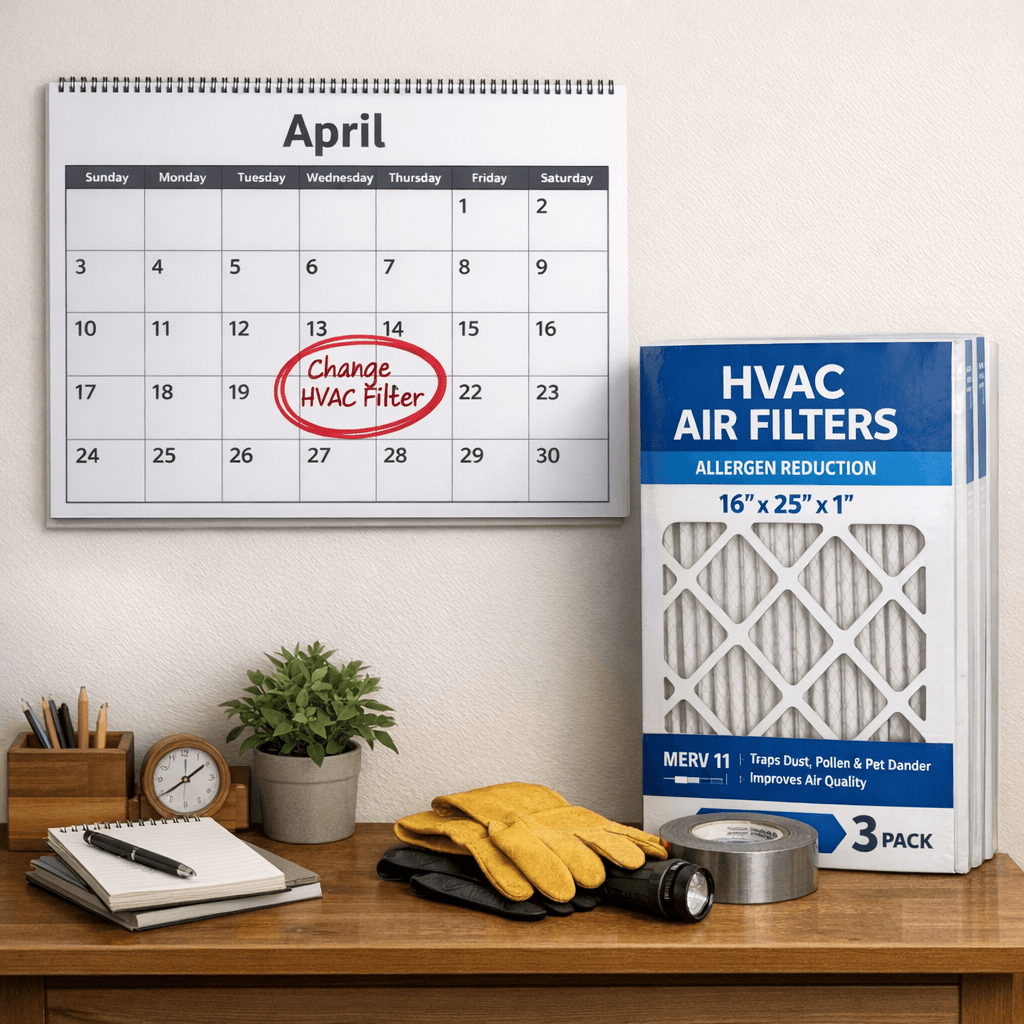
If you're searching for "how often to clean air ducts Florida," here's the practical answer: clean based on conditions, not a calendar. EPA does not recommend routine duct cleaning and emphasizes cleaning when there's evidence of contamination or a specific problem to correct.
That said, homeowners still need a working plan. Use this Florida-friendly approach:
A realistic Florida air duct cleaning schedule (condition-based)
- Every 12 months: Have the system inspected (not automatically cleaned). Look for return leaks, moisture/condensation, dirty blower compartment, and debris patterns at registers.
- Every 2–5 years (typical range): Many Florida homes end up needing cleaning within this window if there's steady dust buildup, multiple pets, frequent A/C run time, or a history of duct leaks. (Not a rule—just a common outcome.)
- Immediately (same month) if a trigger happens: Water intrusion, visible contamination, pest activity, or heavy construction debris.
Common Florida "triggers" that justify cleaning
Clean your ducts when you can point to a specific issue such as:
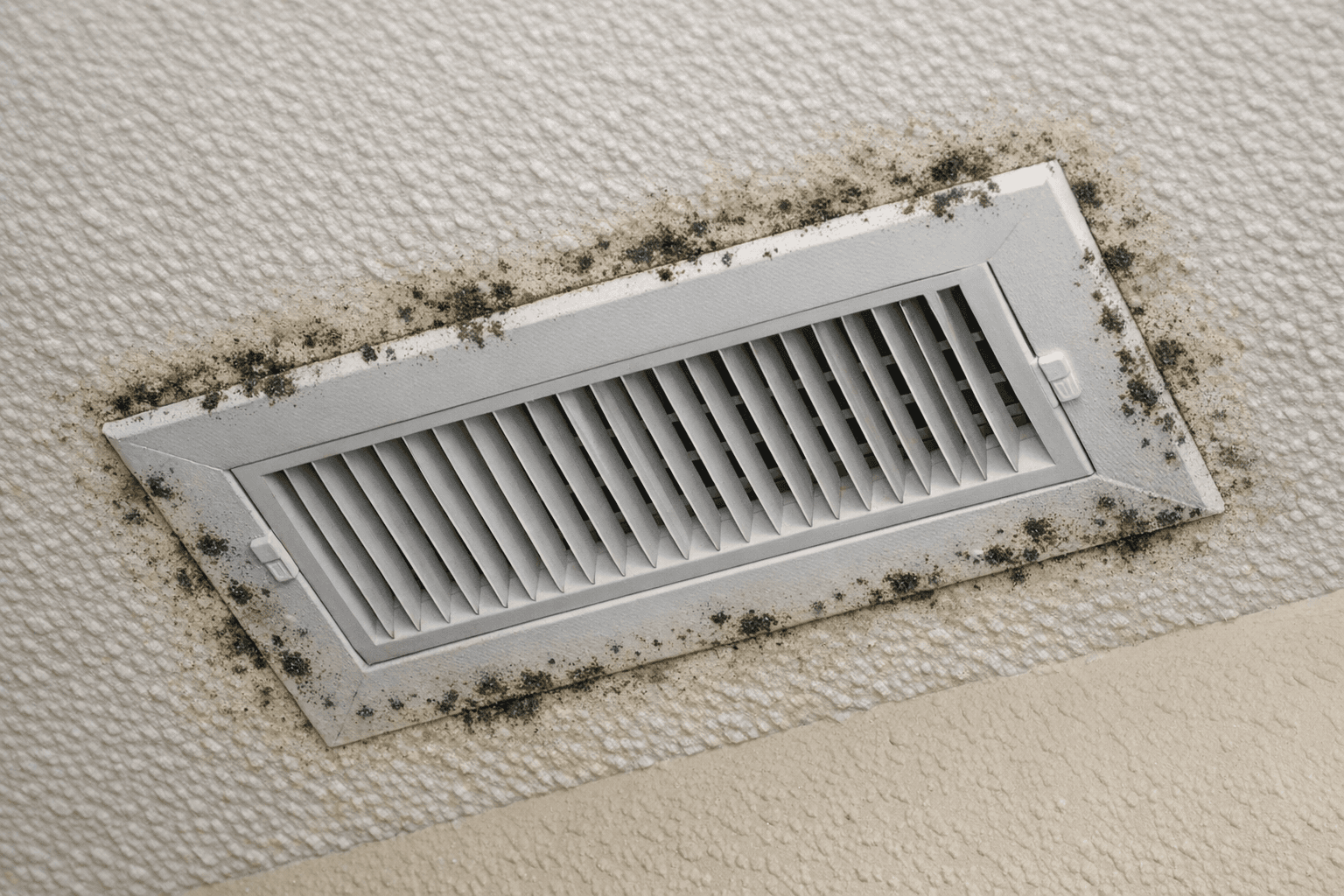
- Visible mold growth on hard duct surfaces or HVAC components (and the moisture problem is corrected).
- Pest infestation (rodents/insects) in ductwork.
- Excessive debris restricting airflow or blowing out of supply vents.
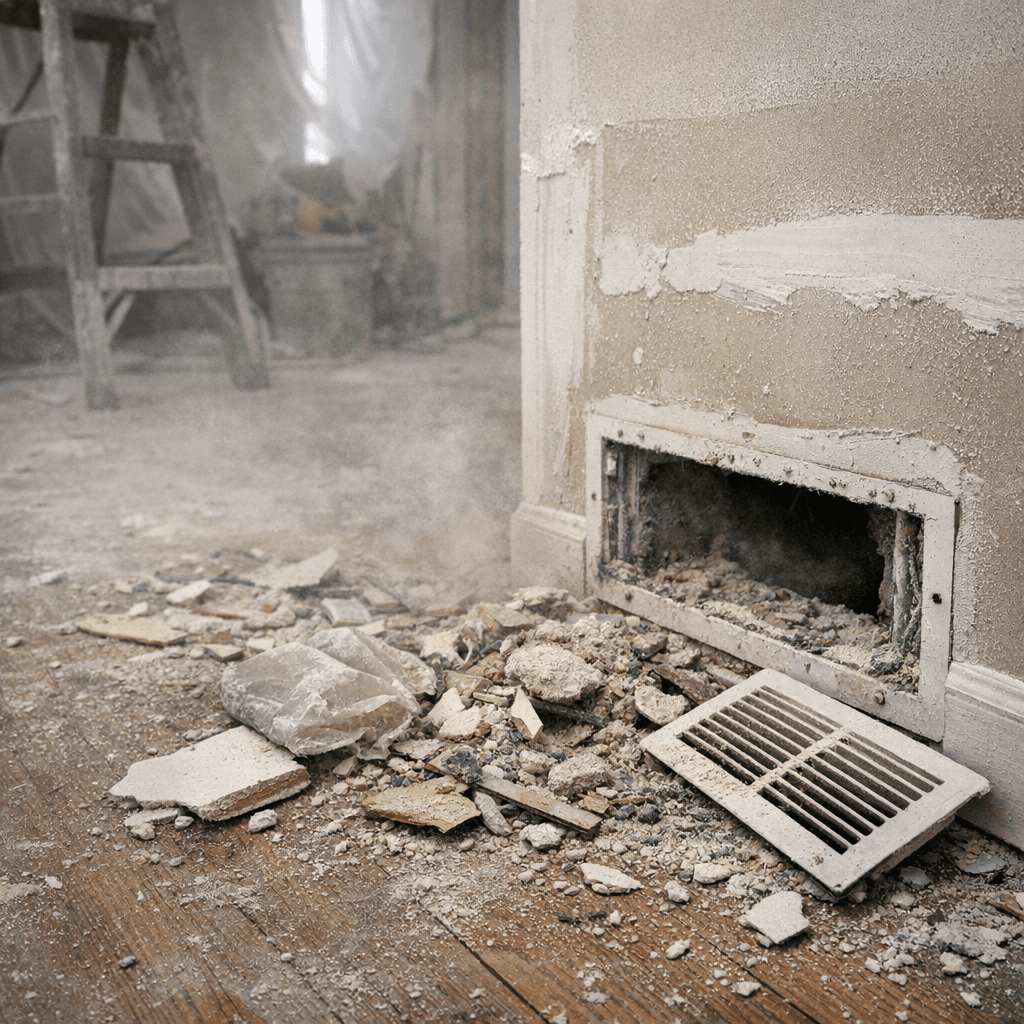
- After major renovations or drywall work where fine dust is known to have entered the system.
- After storms/hurricanes when the home envelope was compromised or repairs created airborne debris.
- When duct damage is present (disconnections, crushed flex duct, missing/failed seals). In these cases, cleaning alone won't solve the root cause—pair it with duct repair.
Quick decision guide (Florida)
- Dust on registers only: Usually a housekeeping/return-air issue—not automatic duct cleaning.
- Musty odor plus humidity/condensation signs: Inspect for moisture causes first; clean if contamination is confirmed.
- Airflow problems: Inspect for restrictions, duct damage, or blower/coils issues; clean if debris is confirmed.
If you want a professional to look at the whole system (not just the vents), schedule a system inspection and get clear "clean vs. repair vs. HVAC service" recommendations.
Warning Signs You Need Air Duct Cleaning Now
Use this list to decide if it's time to stop guessing and get a professional evaluation:
- Visible dust "puffs" or particles blowing from supply vents when the A/C starts
- Dust buildup returns quickly after cleaning surfaces (within days, not weeks)
- Musty, damp, or "dirty sock" odors that seem tied to A/C run cycles
- Evidence of water issues near the air handler, drain pan, or around supply boots/returns
- Visible debris buildup inside returns (beyond light surface dust)
- Vent covers/registers show heavy caked dust or matted debris
- Unexplained airflow reduction in multiple rooms (after checking filter condition)
- Signs of pests (droppings, nesting material, scratching sounds near chases)
- After a renovation where drywall dust or insulation fibers were in the air
- You can see duct damage/disconnections in accessible areas (attic/utility spaces)
Fast check: If you are seeing 2+ signs above, call 813-513-7861 to schedule an inspection/estimate with Air Duct & Chimney Services.
DIY vs Professional
What you can do yourself (good HVAC duct maintenance)
DIY steps help reduce dust load and prevent problems—but they don't replace a full cleaning when contamination is present.
- Change filters on time and use the highest-efficiency filter your system can safely handle.
- Vacuum registers and return grilles (and wash grilles if needed).
- Keep the condensate drain line clear and address any standing water quickly.
- Control moisture: Keep indoor humidity managed and address leaks/condensation fast. EPA emphasizes moisture control as the key to mold control.
- Avoid running the system during dusty work (cutting drywall, sanding, etc.) unless returns are properly protected.
When to hire a professional
Bring in a professional when you have a clear trigger (water, pests, heavy debris) or when the system needs source removal beyond what household tools can safely do.
A professional cleaning is also a good idea if you want documentation and a thorough inspection of accessible duct conditions, blower compartment buildup, and leakage points.
Cost reality in Florida (and the $99 scam warning)
In Florida, a legitimate whole-home air duct cleaning typically falls in the $300–$700 range depending on system size, accessibility, and contamination level.
Be cautious of $99 "whole house" specials. These are commonly "blow-and-go" setups designed to get a technician into your home and then upsell with alarming claims, unnecessary add-ons, or a much higher final bill. NADCA specifically warns homeowners to avoid scam-style lowball offers and "blow-and-go" operations.
What Professional Service Includes
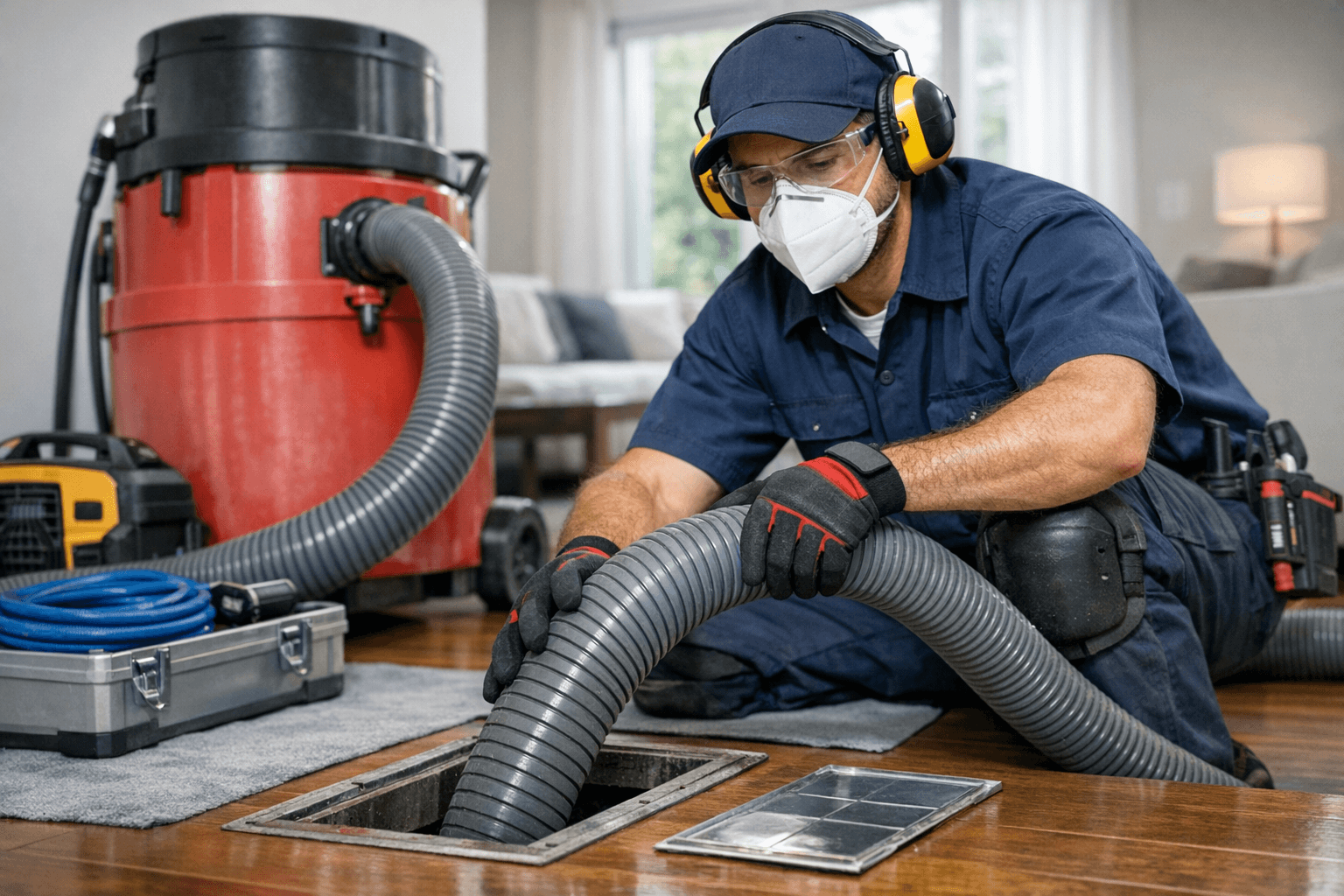
A professional service should be more than a vacuum hose near a vent. While methods vary by system type, here's what a thorough, homeowner-friendly process typically includes:
- Pre-inspection walkthrough (registers, returns, air handler access, and accessible duct runs)
- Protection setup for flooring, corners, and furnishings near work areas
- Create negative pressure containment so debris is captured instead of redistributed
- Agitation/source removal using appropriate tools to dislodge adhered debris from duct surfaces
- Register/return cleaning (grilles, boots, and accessible buildup points)
- Air handler compartment check for visible debris pathways (and recommendations if deeper HVAC servicing is needed)
- Post-clean visual verification and job-site cleanup
- Next-step recommendations (filtering, moisture control, or repairs if damaged/leaking ducts are discovered)
For an on-site estimate from Air Duct & Chimney Services, use our air duct cleaning service page or call 813-513-7861.
For ductwork that's leaking, crushed, or disconnected, cleaning won't fix performance—pair it with duct repair.
Common Mistakes to Avoid
-
Following a rigid "every year" schedule with no evidence of need EPA does not recommend routine duct cleaning; clean when there's a reason (mold, pests, excessive debris).
-
Ignoring moisture and only treating symptoms If condensation, leaks, or water intrusion caused contamination, it will come back unless the moisture problem is fixed.
-
Falling for bait-and-switch $99 deals Lowball pricing is a common "blow-and-go" pattern that can lead to poor work or aggressive upsells.
-
Paying for unnecessary "fogging" or chemical treatments without clear justification Be cautious with chemical biocides and sealants. EPA urges consumers to understand pros/cons and notes these are not proven as routine duct-cleaning add-ons.
-
Skipping duct repairs when ducts are damaged or leaking Leaky returns can pull dust and insulation into the system. In many homes, duct repair is the real fix—cleaning alone is temporary.
FAQs
Q: How often should I clean air ducts in Florida? A: Florida doesn't have a one-size schedule. A practical plan is annual inspection and cleaning when there's evidence of contamination (visible mold, pests, heavy debris, or dust blowing from vents). EPA's guidance is not to clean routinely—clean as needed.
Q: Is routine air duct cleaning required for HVAC maintenance? A: No. Routine HVAC maintenance is usually filter changes, coil/drain pan attention, and fixing airflow/moisture problems. Duct cleaning is a separate service that's appropriate when there's a specific condition to correct.
Q: Does Florida humidity mean I definitely have mold in my ductwork? A: Not automatically. Mold needs moisture; humidity increases risk when there's condensation, leaks, or wet materials. The best prevention is moisture control and fast drying/repair when water issues occur.
Q: Should I clean ducts after a hurricane or major storm? A: If your home had water intrusion, heavy debris exposure, or significant repairs that created dust (drywall/insulation), an inspection is smart. Clean when contamination is confirmed, and correct any moisture sources so the problem doesn't return.
Q: Will duct cleaning lower my energy bill? A: It might help in certain cases (like heavy debris restricting airflow), but it's not guaranteed. If you suspect performance issues, start with an inspection and address duct leaks/damage first. For a full evaluation, consider a system inspection.
Q: What's the typical air duct cleaning cost in Florida? A: For a legitimate service, expect $300–$700. Be cautious of ultra-low advertised prices that are often designed to upsell once the crew arrives.
Q: How do I avoid duct cleaning scams? A: Avoid $99 "whole house" offers, insist on a clear scope, and choose providers who follow recognized standards and explain their process. NADCA warns homeowners about "blow-and-go" scams and lowball pricing.
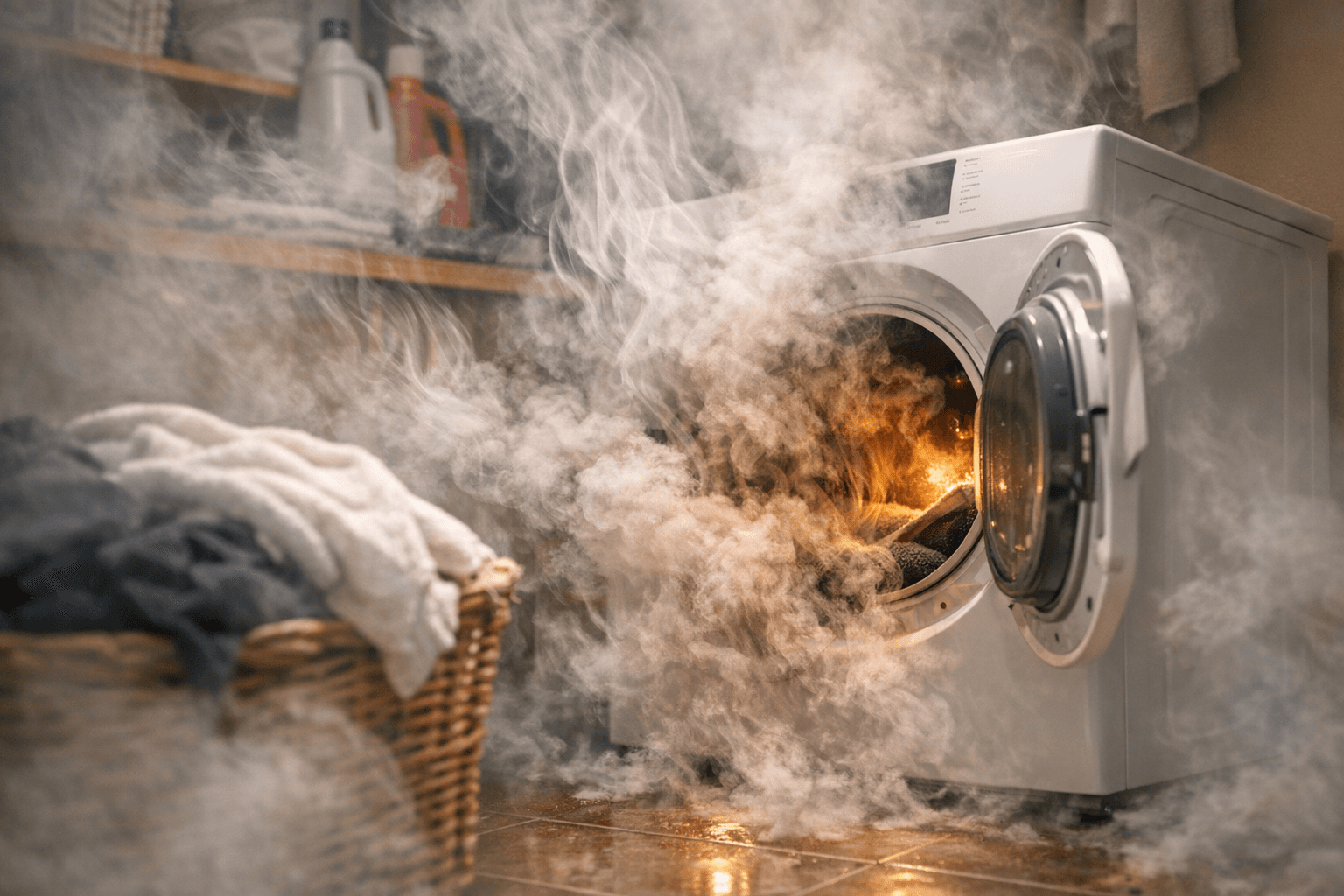
Q: Should I clean my dryer vent at the same time? A: Often, yes—because lint buildup is a separate issue that affects dryer performance and safety. If you're already scheduling duct work, it's a good time to bundle dryer vent cleaning so the whole ventilation system is addressed.
Related Services
Service Areas
Get Your Air Ducts Cleaned Today
If you're seeing warning signs like musty odors tied to A/C cycles, dust blowing from vents, or evidence of moisture or debris, don't wait for it to get worse.
Call Air Duct & Chimney Services at 813-513-7861 or schedule online.