Does Air Duct Cleaning Help Allergies? What Actually Helps
Quick answer: Air duct cleaning can help in specific situations (when there's a clear contamination or airflow issue), but it's not a guaranteed fix for allergies. The most reliable improvements usually come from source control, filtration, moisture management, and fixing duct leaks—with duct cleaning used when needed, not on a rigid schedule. Call Air Duct & Chimney Services at 813-513-7861 for a professional assessment.
Table of Contents
- Quick Take
- How Allergens Build Up
- Does It Help? Expectations
- Warning Signs
- What Proper Cleaning Includes
- Cost in Florida
- Avoid $99 Scams
- What Helps More Than Cleaning
- Duct Repair vs Cleaning
- FAQs
Quick Take: When Air Duct Cleaning Can Help Allergy Symptoms
Air duct cleaning is most likely to help indoor air quality concerns when there's a specific, correctable problem, such as:
- Heavy dust/debris buildup in supply or return trunks (not just light surface dust)
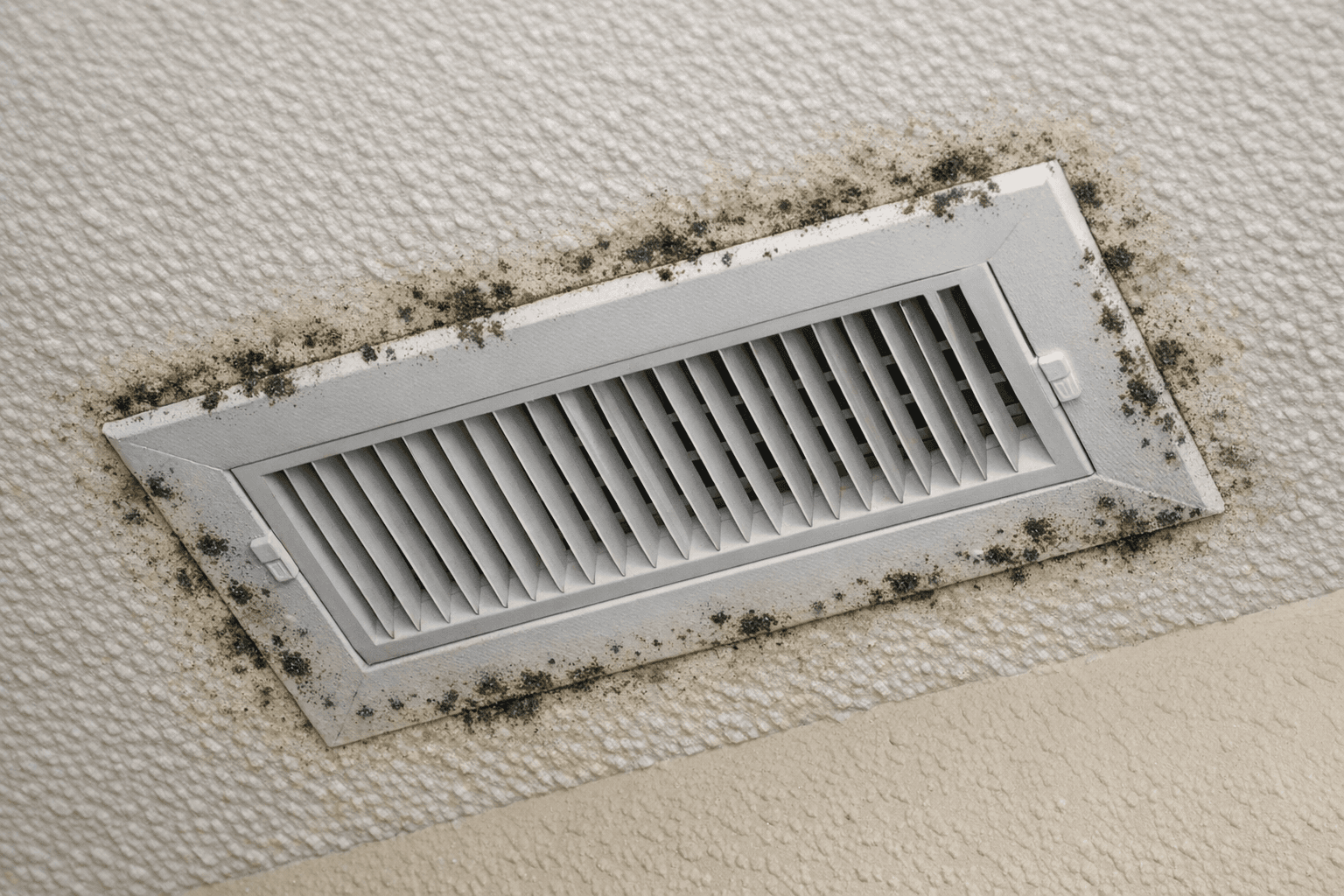
- Visible contamination inside ducts or HVAC components (after confirming what it is and where it's coming from)
- Construction debris after remodeling, drywall work, or major flooring replacement
- Pest contamination (droppings, nesting material, odor) that requires remediation
- Airflow problems caused by buildup at the blower compartment, coil area, or returns
- A neglected system where filters were missing/wrong size and debris has bypassed filtration
When it's less likely to make a difference:
- You have allergy symptoms, but the ducts are relatively clean
- The main issue is high humidity, musty odors from moisture, or a building-envelope problem
- The home has air leakage (attic/garage crawlspace air getting pulled in) and the duct system is leaky
- Filtration is poor (low-grade filter, gaps around filter rack, infrequent changes)
If you're trying to answer "does air duct cleaning help allergies," the best approach is: inspect first, clean when needed, and prioritize the fixes that reduce allergens at the source.
How Allergens Build Up in Florida HVAC Ductwork
Florida homes run cooling for long stretches, and that matters because your HVAC system moves a lot of air through returns, filters, and ductwork. Over time, common allergy triggers can accumulate in the system—especially when filtration or sealing is subpar.
Typical Allergy-Related Contaminants Associated with Ducts and HVAC
- Dust and dust-mite debris (often the biggest contributor to dust allergies)
- Pollen that enters through doors, windows, and air leaks
- Pet dander that's easily airborne and recirculates
- Fibers and lint from carpets, clothing, bedding, and towels
- Insect debris and other particulate from unconditioned spaces (when leaks pull air from attics/garages)
- Moisture-related growth on damp surfaces (not "in the air" by default—usually tied to a moisture problem)
Why Buildup Happens (and Keeps Happening)
Duct cleaning is not a "one-and-done" upgrade if the root cause remains. Buildup commonly comes from:
- Filter bypass (air sneaks around the filter because of a poor fit or gaps)
- Low filtration performance (filters that don't capture finer particles)
- Leaky returns pulling in dusty air from unconditioned areas
- High indoor humidity that can make surfaces more likely to hold debris
- Dirty blower/coil areas that can redistribute dust through supply runs
If you only clean ducts without addressing these, dust often returns quickly—and you're left wondering why your air duct cleaning "didn't work."
Does Air Duct Cleaning Help Allergies? Evidence-Based Expectations
Air duct cleaning can reduce some accumulated dust and debris in the HVAC air pathway when the job is done correctly and when there's meaningful contamination. But it's important to keep expectations realistic:
What Cleaning Can Do (in the Right Situations)
- Remove accumulated debris that may otherwise re-enter the airflow
- Improve airflow if buildup is restricting key areas (returns, blower compartment access areas, trunks)
- Address specific contamination events (construction debris, pest issues, heavy dust from filter bypass)
What It Can't Reliably Do
- It can't "cure" allergies or guarantee symptom relief for every household
- It won't prevent pollen/dust from entering the home in the future
- It won't solve moisture problems that cause recurring musty odors
- It won't fix duct leaks or poorly designed returns
A Practical Way to Decide
If you're evaluating air duct cleaning for allergy concerns, a good decision framework is:
- Confirm there's a problem worth cleaning (not just normal light dust).
- Fix the cause (filtration fit, duct leakage, moisture issues).
- Clean as part of a plan, not as a substitute for the plan.
For professional options, start here: Air Duct Cleaning or a system check via System Inspections.
Warning Signs You May Need Duct Cleaning (and When You Don't)
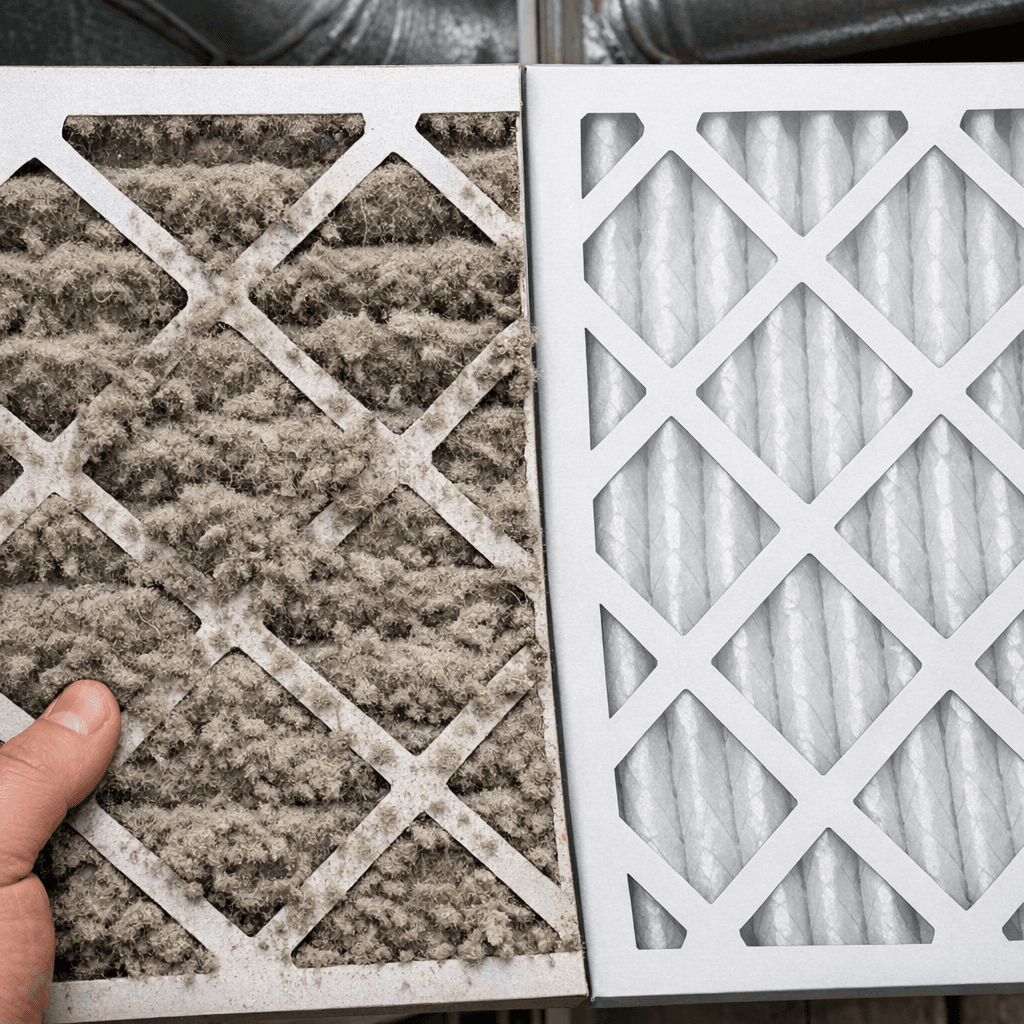
Warning Signs That Point Toward "Cleaning is Likely Needed"
- Dust "puffs" from supply vents when the system starts
- Thick debris visible in return drops or main return trunk (not just a light film)
- A recent remodel with drywall/wood dust
- Filters clog unusually fast, or you see evidence air is bypassing the filter
- Persistent dusty odor when HVAC starts (after ruling out other causes)
- Pest evidence in ductwork or near returns
- Registers and return grilles repeatedly accumulate dust soon after cleaning the home
Signs Cleaning May Not Be the Best First Step
- Allergy symptoms are worse outdoors than indoors (often pollen-driven)
- The home's humidity is high and you're noticing musty smells (moisture control comes first)
- You have ongoing odors but no dust or debris buildup in ducts (source may be elsewhere)
- The duct interior looks generally clean, but the home is dusty (often leakage or filtration)
Fast check: If you're seeing any warning signs above, call 813-513-7861 or book an estimate at /contact. If cleaning isn't the right first step, we'll tell you—and recommend the next best fix.
What a Proper Duct Cleaning Includes (NADCA-Aligned Checklist)
Quality varies widely. The difference between a worthwhile service and a disappointing one is usually method and scope.
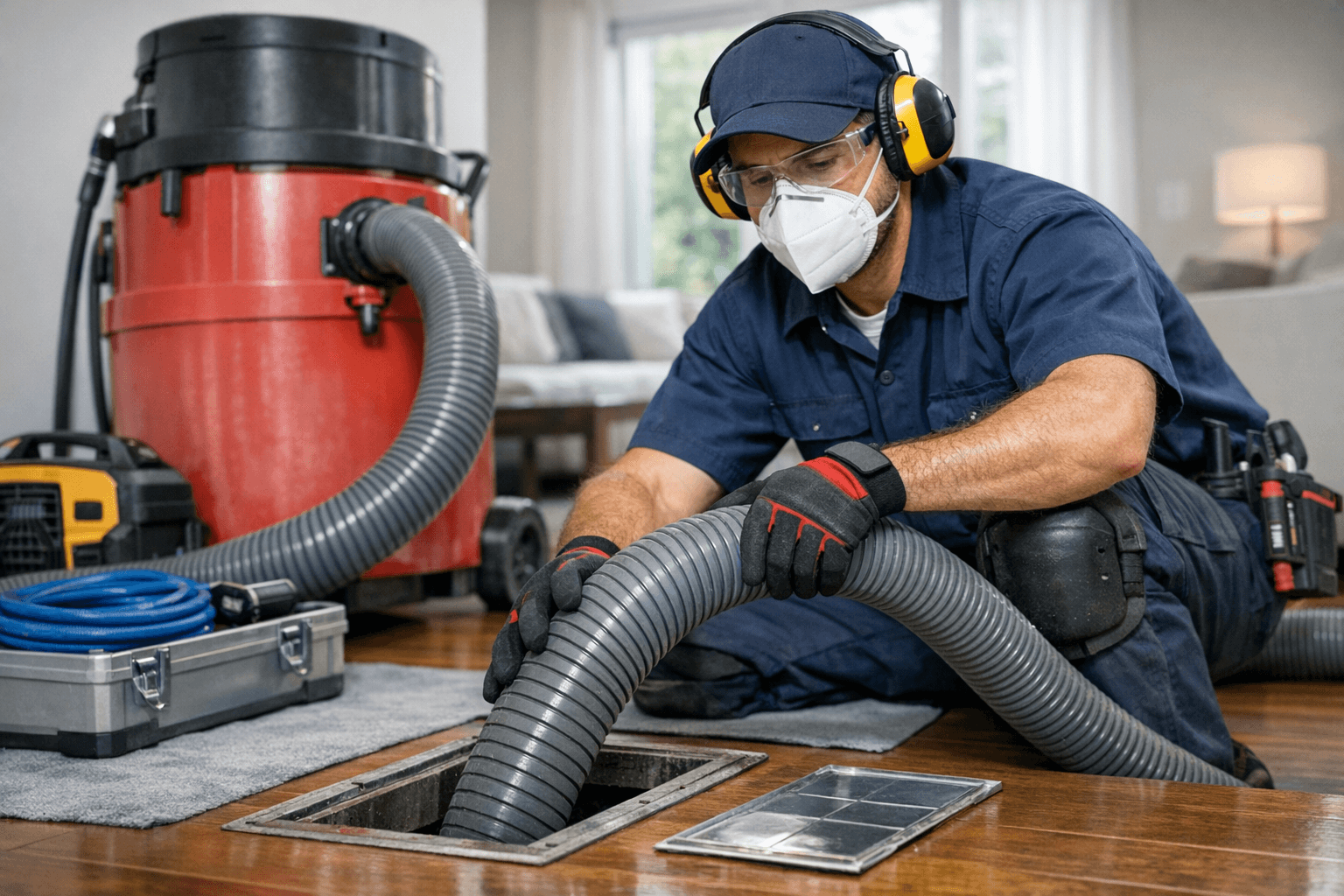
A proper duct cleaning typically includes:
System Protection & Setup:
- Protect floors and registers
- Create safe access points as needed
- Use containment practices to avoid spreading dust
Source Removal Cleaning:
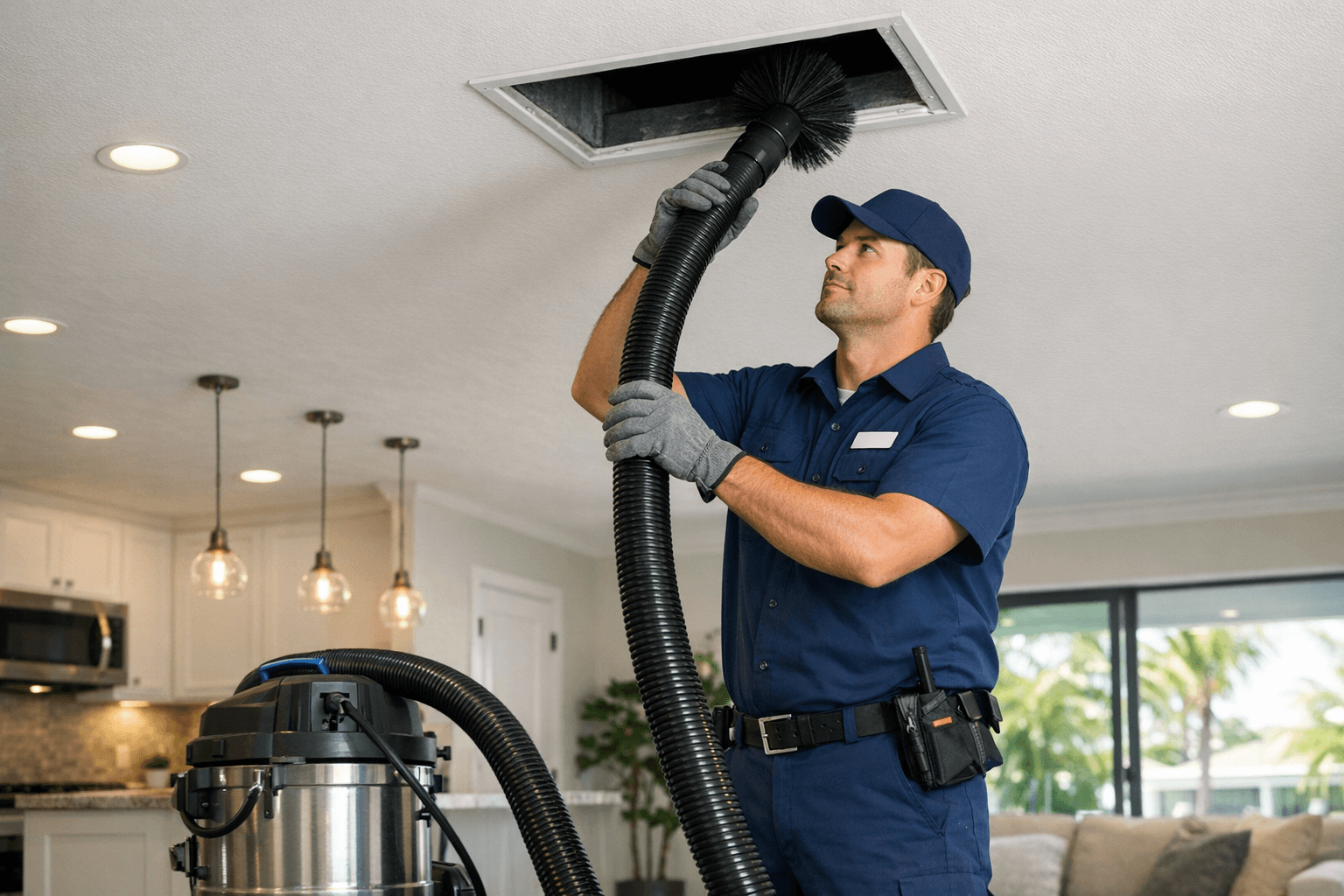
- Agitation tools + high-powered vacuum collection (negative pressure)
- Cleaning supply and return trunks and branch runs that are accessible
- Cleaning registers/grilles (as applicable)
HVAC Component Attention (Where Needed/Accessible):
- Blower compartment cleaning (when contaminated)
- Return plenum cleanup (often a major dust collector)
- Basic visual check of coil area (coil cleaning is a separate, specialized task if needed)
Before/After Verification:
- Photo documentation of interior duct conditions when possible
- Clear explanation of findings and recommendations
What to Watch For
- "Blow-and-go" jobs: A shop vac at the vents is not the same as full-system negative pressure cleaning.
- Fogging/spraying without justification: Be cautious about routine chemicals. Any product used should be appropriate for HVAC use, applied for a clear reason, and discussed transparently.
- No inspection, no proof: If they can't show you what's in the system, the recommendation may be sales-driven.
If you want the service designed around real results (not just a quick pass), start here: Air Duct Cleaning.

Air Duct Cleaning Cost in Florida (Realistic Range)
For most homes, air duct cleaning in Florida typically ranges from $300-$700 depending on factors like:
- System size (number of HVAC units)
- Duct layout complexity and accessibility
- Level of contamination (construction debris vs. normal dust)
- Whether the return side is heavily loaded with debris
- Verification and documentation practices
If you see pricing that looks too good to be true (like $99 for "whole-house duct cleaning"), read the scam section below before booking.
To request a straightforward estimate: /contact or call 813-513-7861.
How to Avoid $99 Bait-and-Switch Duct Cleaning Offers
Florida homeowners regularly run into low-ad duct cleaning promotions that end up costing far more—or deliver almost no value.
Common Bait-and-Switch Patterns
- A $99 "whole-house" offer that only covers a few vents
- Upsells for "mold treatment" without clear evidence or appropriate verification
- Extra fees added on-site for "main lines," "returns," "sanitizing," or "deep cleaning"
- No negative-air equipment—just quick vacuuming at registers
- High-pressure tactics and fear-based language
How to Protect Yourself
- Ask what the price actually includes (supply trunks, return trunks, branches, number of systems)
- Ask whether they use source removal with negative pressure
- Ask for before/after photos
- Avoid anyone promising health outcomes or claiming duct cleaning is always required on a schedule
- Choose a contractor willing to recommend alternatives (filtration, duct repair) when cleaning isn't the best ROI
If you'd rather skip the guesswork and start with an inspection-based recommendation, use: System Inspections or book at /contact.
Other Steps That Often Help HVAC Allergies More Than Cleaning
When people search for air duct cleaning allergies, they often want one "silver bullet." In real homes, the best results come from a few boring (but effective) basics.
1) Upgrade Filtration the Right Way
- Use a filter with a better particle rating if your system can handle it.
- Make sure the filter fits snugly—no gaps for air to bypass.
- Replace on a consistent cadence based on dust load (not just the calendar).
If your filter setup is flimsy or leaky, duct cleaning won't stay "clean" for long.
2) Control Moisture (Especially Important in Florida)
Moisture problems can make indoor air feel "heavier" and can contribute to musty odors. Focus on:
- Keeping indoor humidity in a reasonable range
- Fixing duct sweating/insulation issues if present
- Addressing drain line backups and standing water near HVAC components
Cleaning ducts without solving moisture is often temporary.
3) Improve Housekeeping Where Allergens Accumulate
This isn't a ductwork fix, but it often moves the needle more than cleaning ducts:
- HEPA vacuuming routines (especially around returns)
- Washing bedding and soft goods regularly
- Managing pet dander with grooming + cleaning + filtration
- Reducing clutter that traps dust
4) Reduce Outdoor-to-Indoor Transfer
- Use entry mats, remove shoes, and keep windows/doors managed during high pollen periods
- Seal obvious gaps that allow unfiltered air infiltration
5) Maintain Airflow
Poor airflow can mean more dust settling, more filter loading, and more discomfort.
A targeted inspection can tell you whether your issue is:
- Contamination (cleaning helps), or
- Leakage/airflow/filtration (repairs and setup help more)
Get started with: System Inspections.
Duct Repair vs Cleaning: When Leakage Makes Allergies Worse
Sometimes the real culprit behind dust allergies is not "dirty ducts"—it's leaky ducts.
How Duct Leakage Can Worsen Indoor Air Quality
- Returns can pull dusty air from unconditioned spaces
- Supply leaks can depressurize areas and increase outdoor air infiltration
- Dust can appear "mysteriously" soon after cleaning because the system is still drawing contaminants
When Duct Repair is the Better First Step
Consider duct repair when you have:
- Rooms that never cool evenly
- Excessive dust shortly after cleaning surfaces
- Whistling, rattling, or obvious air leaks at connections
- Duct sections that are damaged, crushed, disconnected, or poorly sealed
If leakage is suspected, explore: Duct Repair. In many homes, sealing/repair + better filtration outperforms cleaning alone for indoor air quality concerns.
Related Services
Service Areas
Get Your Air Ducts Evaluated Today
If you're dealing with allergy symptoms and wondering whether duct cleaning will help, start with a professional assessment.
Call Air Duct & Chimney Services at 813-513-7861 or schedule online.
FAQs
Q: Is air duct cleaning recommended on a set schedule for allergies? A: Not usually. The most practical approach is cleaning when needed—based on inspection findings like heavy debris, contamination events, or airflow-impacting buildup.
Q: Does air duct cleaning help allergies right away? A: Sometimes it can help reduce airborne dust related to the HVAC system when there's significant buildup. But it's not guaranteed, and many allergy triggers (like pollen) still enter the home through daily living and air leakage.
Q: What's the most effective first step for HVAC allergies? A: For many homes: improve filtration fit/performance, control humidity, and address duct leakage. Cleaning becomes more valuable when there's confirmed debris or contamination.
Q: How do I know if I'm being upsold on unnecessary services? A: Be cautious if a company can't show you clear evidence (photos/video), pushes "one-size-fits-all" chemical treatments, or advertises a very low price and then adds fees on-site.
Q: What does air duct cleaning cost in Florida? A: A realistic range for a proper job is $300-$700, depending on system size, accessibility, and contamination level.
Q: Will duct cleaning fix mold or musty smells? A: Not by itself if moisture is still present. Musty smells often require moisture control and correcting the source, not just removing debris. Any treatment should be based on inspection findings and a clear plan to prevent recurrence.