Why Are Some Rooms Hotter Than Others in Your Florida Home?
Uneven temperatures are one of the most common comfort complaints in Florida homes. If some rooms are hotter than others, your HVAC system may be running—yet certain areas still feel muggy, stale, or several degrees warmer. The good news: most causes are identifiable with a few targeted checks.
This guide covers the most common reasons for uneven cooling Florida homeowners see, the warning signs that point to duct issues, and practical steps to reduce hot spots in house without wasting energy.
Table of Contents
- What "some rooms hotter than others" usually means
- Common causes of uneven room temperatures in Florida
- Warning signs the problem is in your ducts (not your AC unit)
- DIY checks you can do today (safe, no special tools)
- When duct cleaning helps—and when it doesn't
- When duct repair is the right fix
- Florida-specific factors that make rooms not cool evenly
- What a professional system inspection includes
- Costs, scam warnings, and how to choose a contractor
- Service areas in Florida
- FAQs
- Sources
What "some rooms hotter than others" usually means
When rooms don't cool evenly, one (or more) of these is happening:
- Not enough conditioned air reaches the hot room (airflow restriction, duct leakage, poor balancing).
- The hot room gains heat faster than others (sun exposure, insulation gaps, attic heat, leaky windows/doors).
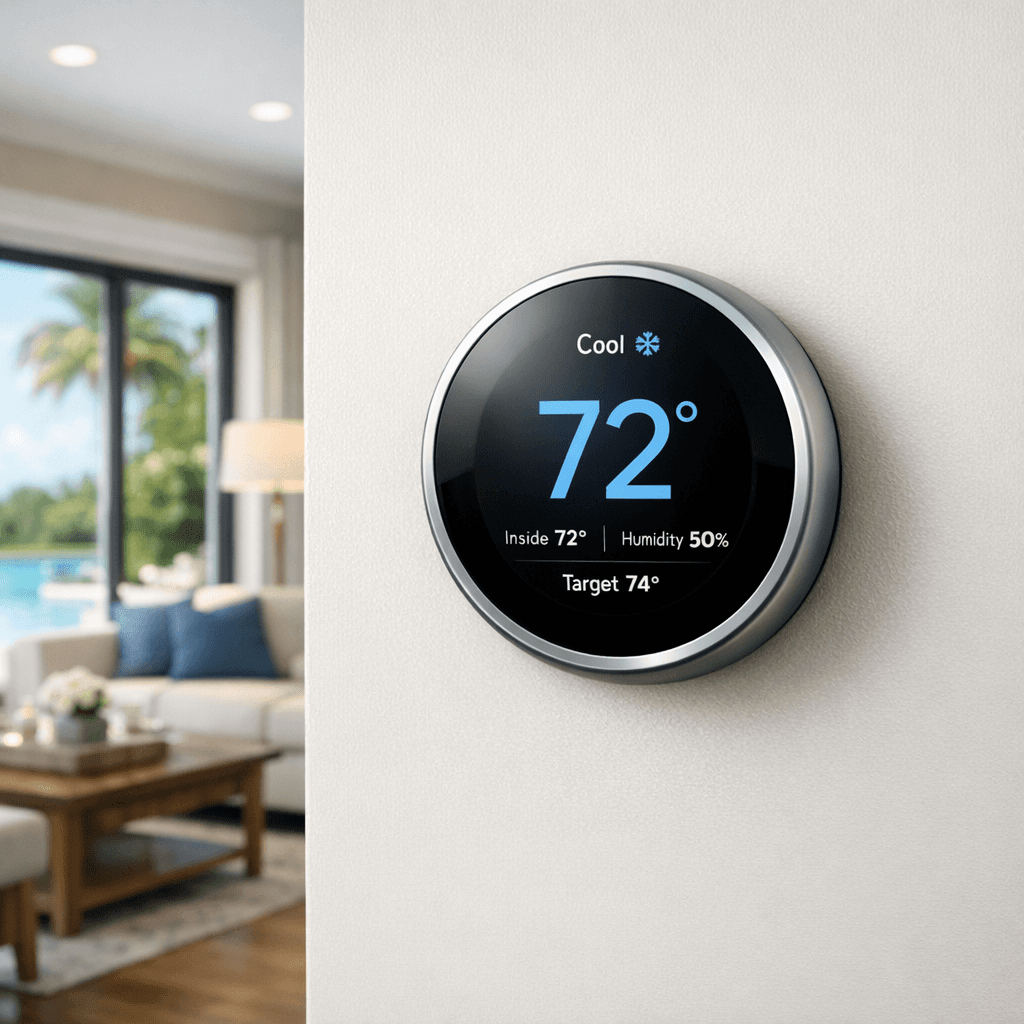
- The thermostat location doesn't represent the whole home (the system shuts off before distant rooms catch up).
- Return air is inadequate in certain zones (air can't circulate back to the system efficiently).
In Florida, uneven cooling often shows up as:
- A back bedroom that stays warm.
- A room over the garage that feels hotter.
- Upstairs rooms that never match the thermostat setting.
- One side of the home that's consistently muggy.
Common causes of uneven room temperatures in Florida
Below are the most frequent reasons rooms not cooling evenly occurs. Many homes have two or three causes at once.
1) Supply vent restrictions (low airflow to one room)
If a vent is partially blocked, the room will feel warmer even if the rest of the house is comfortable.
Common culprits:
- Furniture, rugs, or drapes covering a register
- Closed or partly closed supply vents
- Collapsed/flattened flex duct in an attic or crawlspace
- Kinked duct runs or crushed duct insulation
2) Dirty air filter or blower airflow issues
A clogged filter can reduce airflow throughout the system, but the effect is often felt most in "farther" rooms at the end of duct runs.
What you may notice:
- Weak airflow at multiple vents
- Longer run times
- More noticeable temperature differences room-to-room
3) Duct leakage (cold air lost before it reaches the room)
Leaky ducts can dump cooled air into unconditioned spaces (like attics). That means less cool air reaches certain rooms—especially those far from the air handler.
Results:
- Hotter rooms at the ends of the system
- Higher utility bills
- Dusty supply registers (in some cases)
4) Poor duct design or balancing
Even if ducts aren't "broken," they can be imbalanced:
- One trunk line feeds too many rooms
- Branch ducts are undersized for the room load
- Dampers are missing or not set correctly
In these cases, the system may cool some rooms quickly while others lag behind—classic hot spots in house behavior.
5) Return air problems (the room can't "give air back")
Every room needs a way for air to return to the HVAC system. If a room has:
- No return grille, and
- The door is often closed, and
- There's little undercut at the door,
…then air gets "trapped," lowering supply airflow and reducing cooling effectiveness.
6) Solar gain and building envelope issues
Some rooms are simply harder to keep cool because they absorb more heat.
Look for:
- West- or south-facing windows without shading
- Gaps around windows/doors
- Insulation deficiencies above the room
- Hot attic conditions radiating downward
7) Thermostat placement and zoning limitations
If the thermostat is in a naturally cooler area (hallway, shaded room), the system may satisfy the thermostat while other rooms are still warm.
If you don't have zoning, you're cooling the whole home based on one location.
Warning signs the problem is in your ducts (not your AC unit)
Uneven temperatures can be equipment-related, but these signs often point to ductwork and airflow:
- One or two rooms are consistently hotter while the rest are fine
- Weak airflow from certain vents compared to others
- Noticeable temperature difference (even after 30–60 minutes of cooling)
- Whistling, rattling, or "air rushing" sounds near vents or ducts
- Dust collecting quickly around supply registers
- A room feels stuffy when the door is closed (possible return-air restriction)
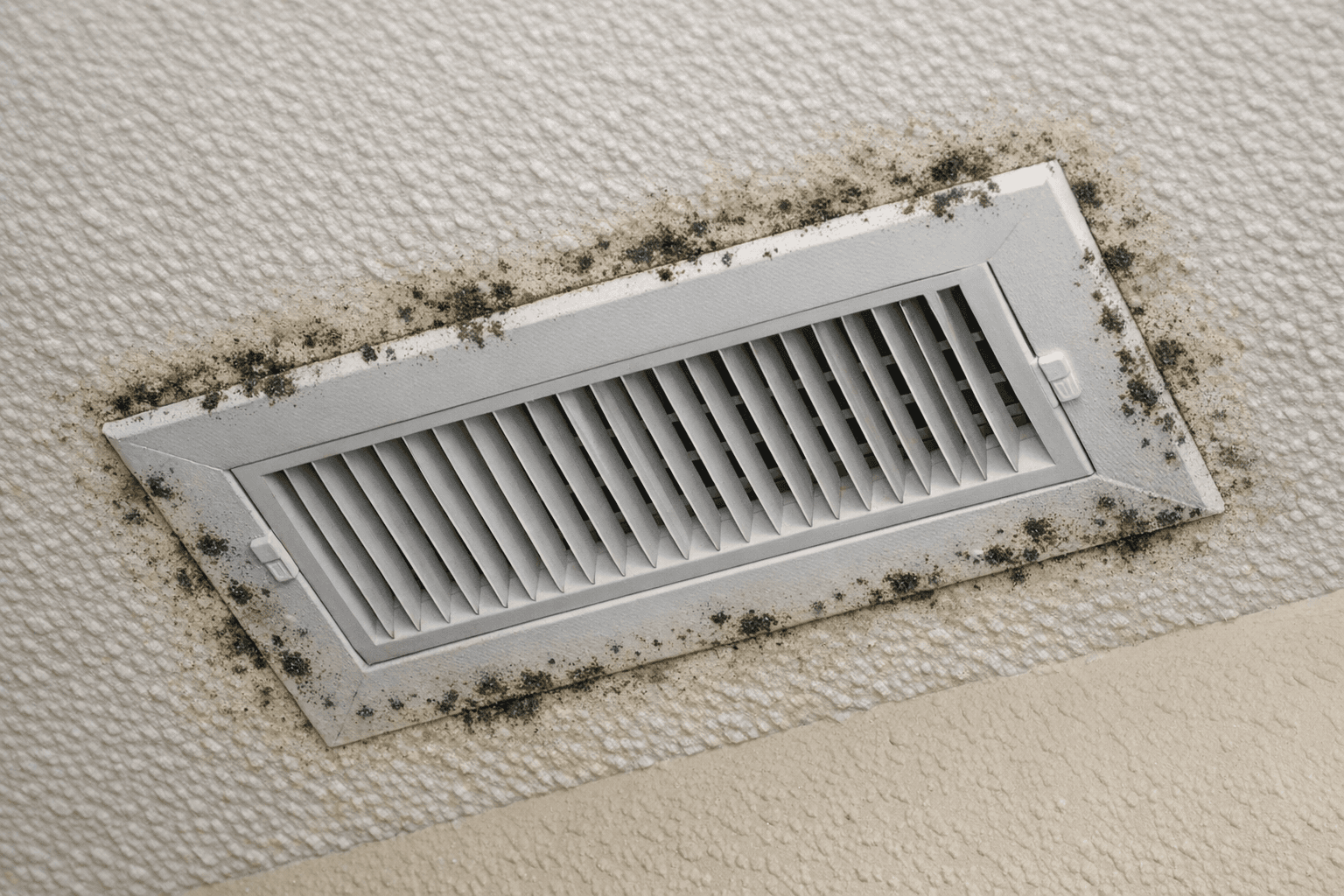
- Hot attic smell or "musty" odors more noticeable in certain rooms (not a diagnosis—just a clue to investigate airflow and duct integrity)
Note: Duct issues can contribute to comfort problems. They are not guaranteed to resolve allergies or health conditions, and cleaning isn't a routine requirement—only when conditions indicate it's needed.
Mid-article quick CTA
If you're dealing with some rooms hotter than others, Air Duct & Chimney Services can pinpoint airflow restrictions, duct leakage, and balancing problems with a targeted inspection. Call 813-513-7861 or schedule an estimate at https://proairchimney.com/contact.
DIY checks you can do today (safe, no special tools)
These steps won't replace a full inspection, but they often reveal why rooms not cooling evenly is happening.
Step 1: Compare airflow at vents
- Turn the system on (cooling).
- Place your hand at each supply vent.
- Note rooms with significantly weaker airflow.
What it means: weak airflow often points to a closed damper, a crushed flex duct, a disconnected duct, or a balancing/design issue.
Step 2: Make sure registers are open and unobstructed
- Fully open supply registers in hot rooms.
- Remove obstructions (rugs, furniture, heavy curtains).
Tip: Closing vents in cooler rooms can backfire by increasing static pressure and reducing overall airflow, depending on the system.
Step 3: Check your air filter
- If it's loaded with dust, replace it with the correct size and rating recommended for your system.
What it means: restricted airflow can exaggerate uneven temperatures, especially at distant runs.
Step 4: Look for return-air restriction signs
Try this simple check:
- With the system running, close the door to the hot room.
- If airflow at the supply vent drops noticeably, the room may be "starved" for return air.
Potential fixes: adding transfer grilles, jump ducts, or improving door undercut clearance (best evaluated by a pro).
Step 5: Inspect attic access points (visual only)
If you can safely access the attic entrance:
- Look for disconnected ducts near the hatch (do not step off joists).
- Check for obvious crushed or sharply bent flex ducts.
- Feel for strong cold air dumping into the attic (a sign of a disconnect/leak).
If you suspect a duct disconnect, it's typically a repair issue—not a cleaning issue.
When duct cleaning helps—and when it doesn't
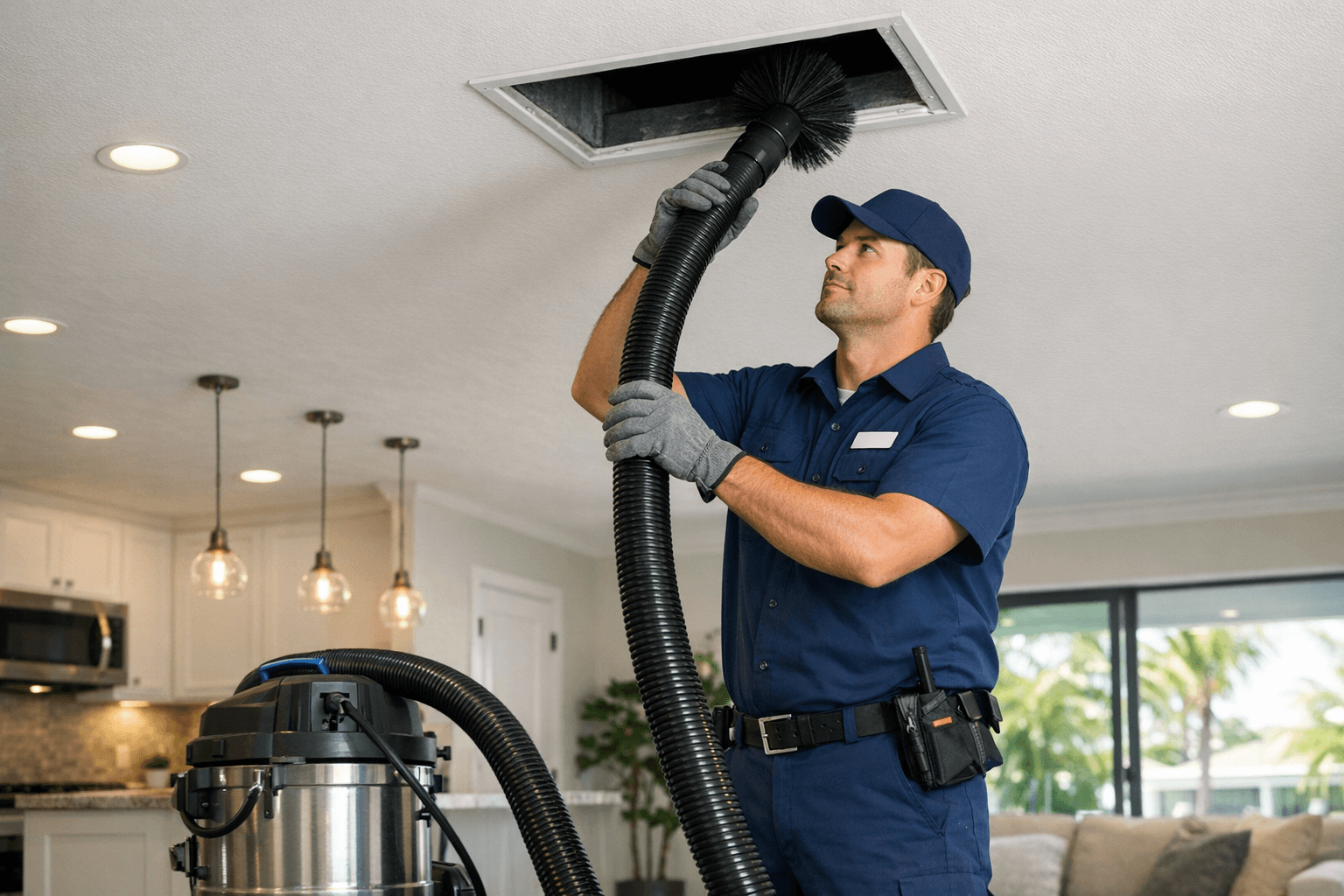
Duct cleaning can be helpful when there's a specific reason, but it's not a cure-all for uneven cooling.
Duct cleaning may help when:
- There's visible debris buildup restricting airflow at supply runs or returns
- Ducts have contamination from a known event (construction dust, pest debris)
- Registers blow noticeable dust shortly after cleaning the home (after other causes are checked)
- A system inspection confirms accumulation that's affecting performance
Duct cleaning usually won't fix:
- Duct leaks in the attic
- Undersized or poorly routed duct runs
- Missing return air paths
- Solar heat gain through windows
- Insulation gaps above a specific room
EPA-aligned approach: cleaning is best viewed as situational ("when needed"), not an automatic annual requirement.
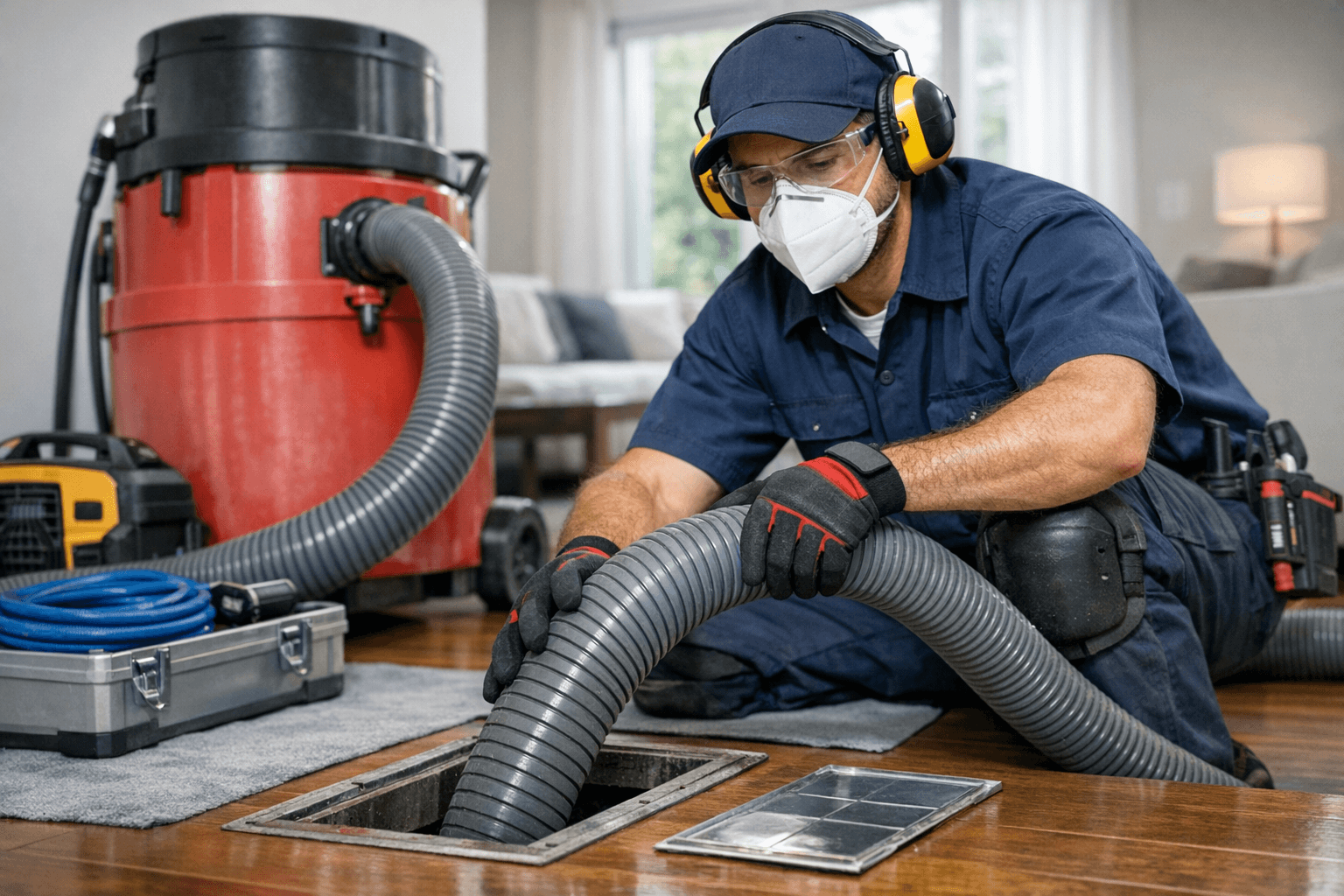
If you want to learn what professional service typically includes, see Air Duct Cleaning.
Typical Florida price range: $300–$700 for air duct cleaning (home size and system complexity affect the total).
When duct repair is the right fix
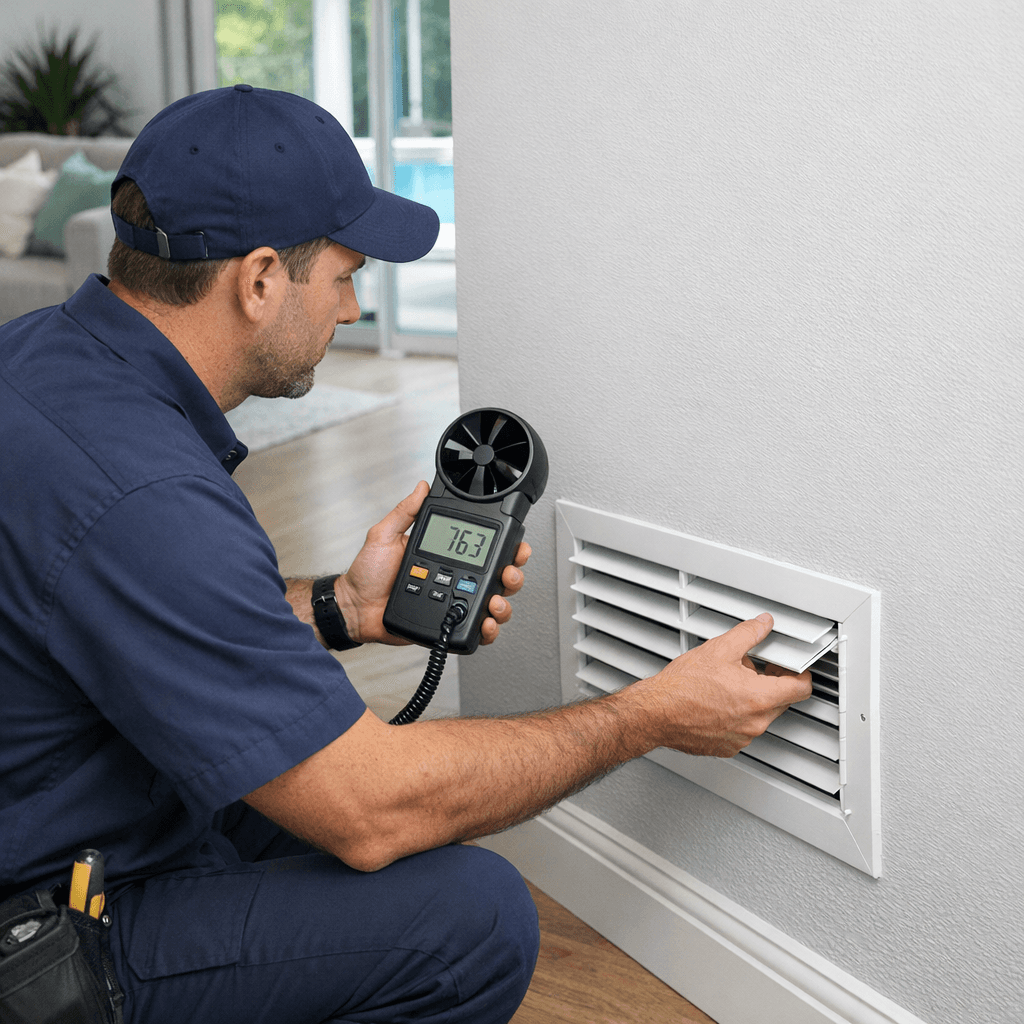
If your comfort problem is driven by leakage, disconnections, or damaged duct runs, duct repair is often the most direct solution.
Duct repair is often recommended when:
- A duct is disconnected or dumping air into the attic
- Flex duct is crushed, kinked, or collapsed
- There are leaks at joints, boots, or plenums
- Duct insulation is damaged, causing heat gain/loss
- Balancing dampers are missing or not functioning as intended
What duct repair can improve
- More consistent airflow to the hottest rooms
- Reduced run time and less strain on the system
- Better comfort with the same thermostat setpoint
Duct repair pricing varies by scope, because the fix might be as simple as reconnecting and sealing a run—or as involved as rebuilding sections to correct routing and airflow.
Learn more about targeted fixes on our Duct Repair page.
Florida-specific factors that make rooms not cool evenly
Florida homes face conditions that can intensify uneven temperatures:
- Attic heat load: Hot attics can overwhelm rooms below, especially if insulation is thin or displaced.
- High humidity: Humidity makes warm rooms feel even warmer and "sticky," even if the thermostat reads the same.
- Long duct runs through hot spaces: Ductwork routed through attics can pick up heat if insulation is compromised or ducts leak.
- Frequent door use: Exterior doors opening often (patios, pool areas) can create localized hot spots.
- Sun exposure: West-facing rooms can spike in the afternoon.
If the same room is always hot at the same time of day, solar gain and attic conditions are often major contributors—sometimes alongside duct airflow issues.
What a professional system inspection includes
A professional inspection focuses on airflow and distribution—because "uneven cooling" is usually a delivery problem, not just an equipment problem.
A thorough inspection may include:
- Visual review of accessible duct runs for disconnections, kinks, and crushed sections
- Checking register condition and airflow consistency
- Inspecting return pathways and identifying return-air restrictions
- Identifying leakage-prone areas (connections, boots, plenums)
- Reviewing basic system factors that affect airflow (filter fitment, obvious restrictions)
If you want a structured evaluation, see System Inspections.
Costs, scam warnings, and how to choose a contractor
Typical costs (approved ranges)
- Air duct cleaning: $300–$700
- Duct repair: Varies by scope (simple sealing vs. reconnecting/rebuilding sections)
Watch out for bait-and-switch "$99 whole-house" offers
Florida homeowners regularly report ultra-low advertised prices that turn into high-pressure upsells once a crew arrives. Common red flags:
- A "whole house" price that doesn't specify the number of returns/supplies
- Claims that you must clean ducts on a strict schedule
- High-pressure add-ons without documentation (photos, scope details)
- Vague promises of guaranteed health outcomes
A reputable contractor should be able to explain:
- What problem they found (leak, restriction, disconnect, buildup)
- Why the proposed fix addresses some rooms hotter than others
- What the scope includes and what it doesn't
If you're ready to book, schedule here: https://proairchimney.com/contact or call 813-513-7861.
Service areas in Florida
Air Duct & Chimney Services provides service in Florida, including:
You can also view our broader coverage here: Service Areas.
FAQs
Can dirty ducts cause some rooms to be hotter than others?
Sometimes. If buildup is restricting airflow in specific runs, it can contribute to uneven temperatures. However, many cases are caused by duct leaks, crushed flex duct, poor balancing, or return-air restrictions—issues that cleaning alone won't solve.
Should I close vents in cooler rooms to force more air to hotter rooms?
Usually not. Closing vents can raise system static pressure and may reduce overall airflow or create noise. A better approach is verifying registers are open, checking for duct restrictions/leaks, and addressing balancing or return-air needs.
Why is one bedroom always hotter even when the AC runs all day?
Common reasons include a long duct run, a partially blocked/crushed duct, inadequate return air when the door is closed, or heat gain from sun exposure and attic conditions. An inspection can confirm whether it's a duct delivery issue or a building-envelope issue.
Will duct cleaning reduce humidity in the hot rooms?
Duct cleaning isn't a humidity control method. If a room feels muggy, the cause may be low airflow, leakage pulling in warm humid air, or system sizing/control issues. Cleaning may help if there's verified debris restricting airflow, but it's not a guaranteed humidity fix.
How do I avoid duct cleaning scams?
Be cautious of very low "whole-house" coupons (like $99) that lead to upsells. Ask what's included, how many vents/returns are covered, and what conditions justify cleaning. Cleaning should be performed when there's a clear need, not as a blanket requirement.