Duct Sealing vs Replacement: Which Does Your Florida Home Need?
If your Florida home has uneven rooms, high utility bills, or musty air coming from vents, the problem may be your ductwork. The hard part is choosing the right fix: duct sealing vs replacement.
This guide explains what each option solves, how to spot the difference between "repairable" and "past its prime," and what to expect from a reputable contractor—without inflated promises or gimmicky pricing.
Need help fast? Call Air Duct & Chimney Services at 813-513-7861 or schedule an estimate: https://proairchimney.com/contact.
Table of Contents
- What "duct sealing" means (and what it doesn't)
- What "duct replacement" means
- Duct sealing vs replacement: the practical differences
- Warning signs you can seal or repair ductwork
- Warning signs you should replace ductwork
- Florida-specific factors that affect duct decisions
- Cost ranges, scams to avoid, and how to compare estimates
- How a proper duct inspection should work
- Related services that often go with duct work
- Service areas in Florida
- FAQ
- Sources
What "duct sealing" means (and what it doesn't)
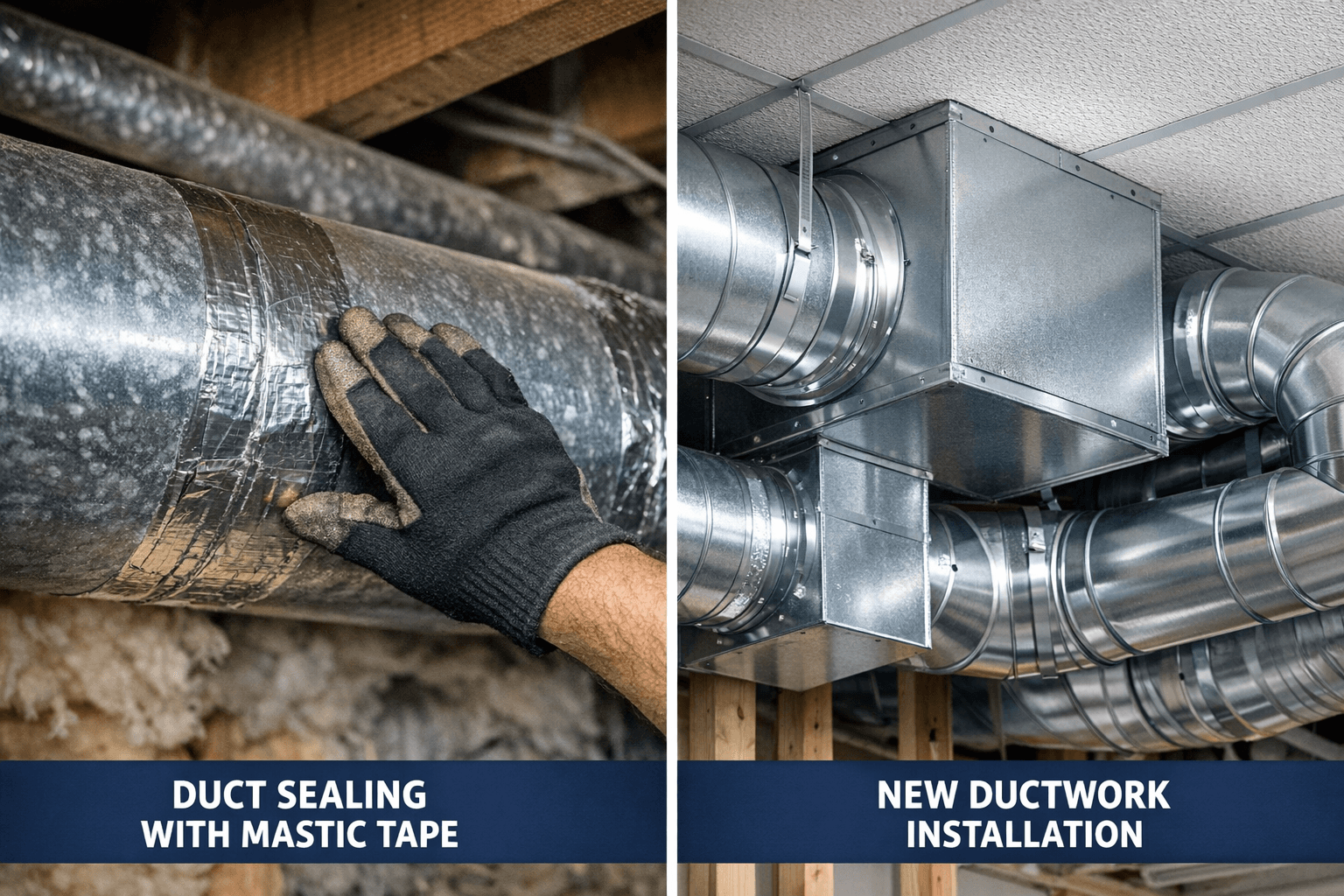
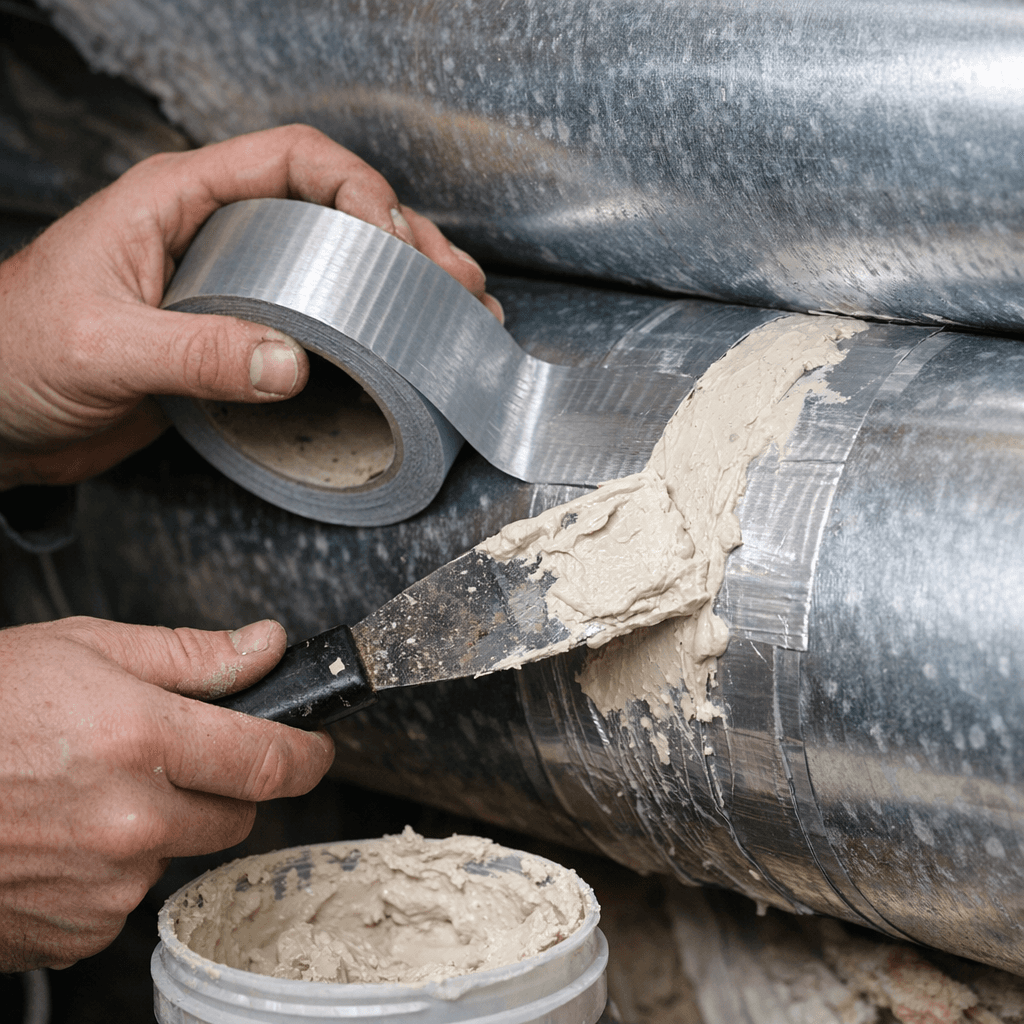
Duct sealing is the process of closing air leaks at duct joints, connections, boots, plenums, and other transition points so conditioned air reaches the rooms it's meant to serve.
What duct sealing typically addresses:
- Leaks at seams and connections
- Loose or failing tape at joints (common in older systems)
- Small gaps around vent boots and returns
- Minor air-loss issues that cause weak airflow or hot/cold spots
What duct sealing does not fix on its own:
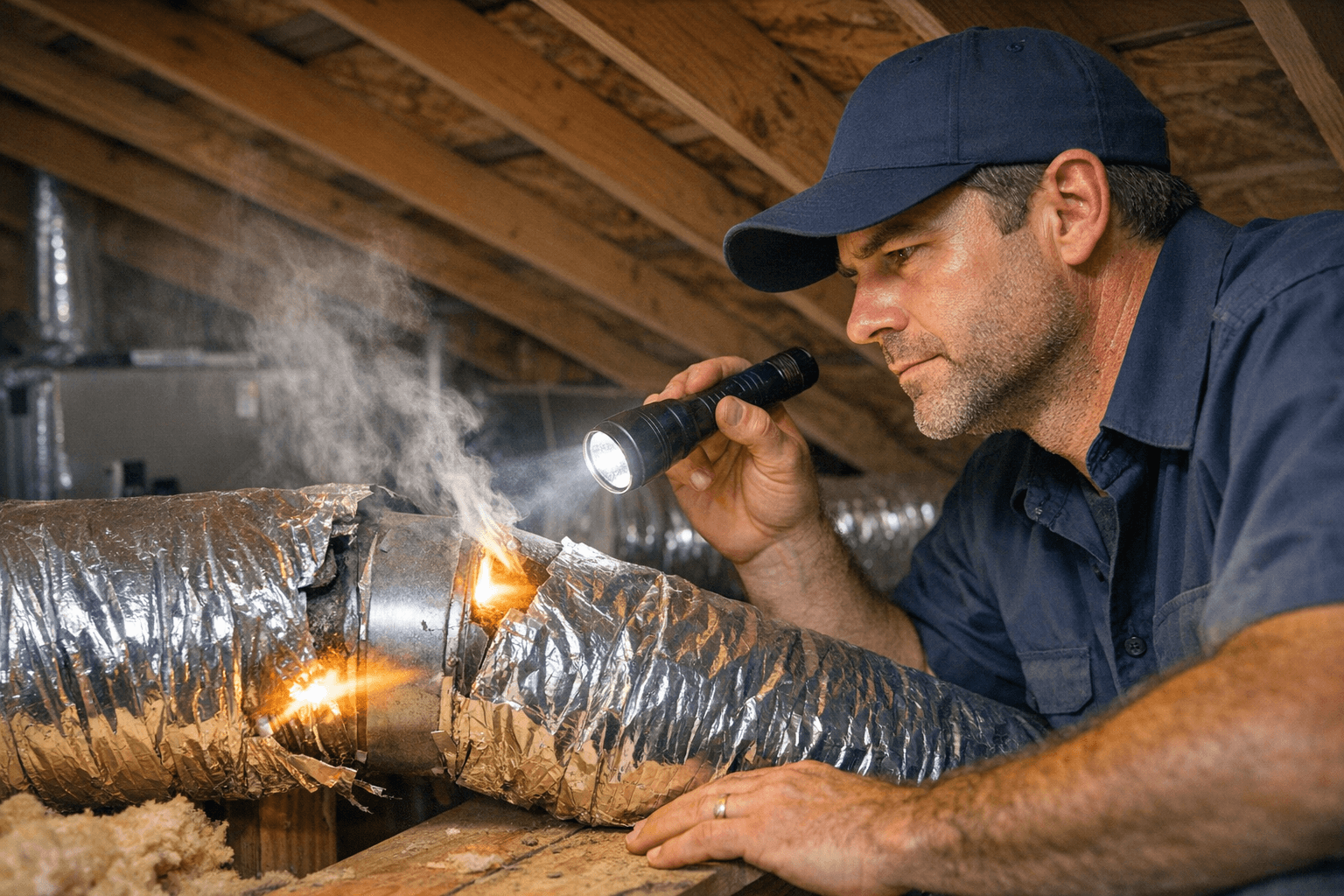
- Crushed, disconnected, or badly sagging duct runs
- Duct material that's deteriorated or contaminated beyond practical repair
- A duct system that's poorly designed (undersized returns, long restrictive runs)
- Major insulation failures or widespread duct collapse
If you're exploring seal or replace ductwork, sealing is often the first option when the duct system is fundamentally intact and accessible enough to fix correctly.
For professional help with sealing and targeted repairs, see: /services/duct-repair
What "duct replacement" means
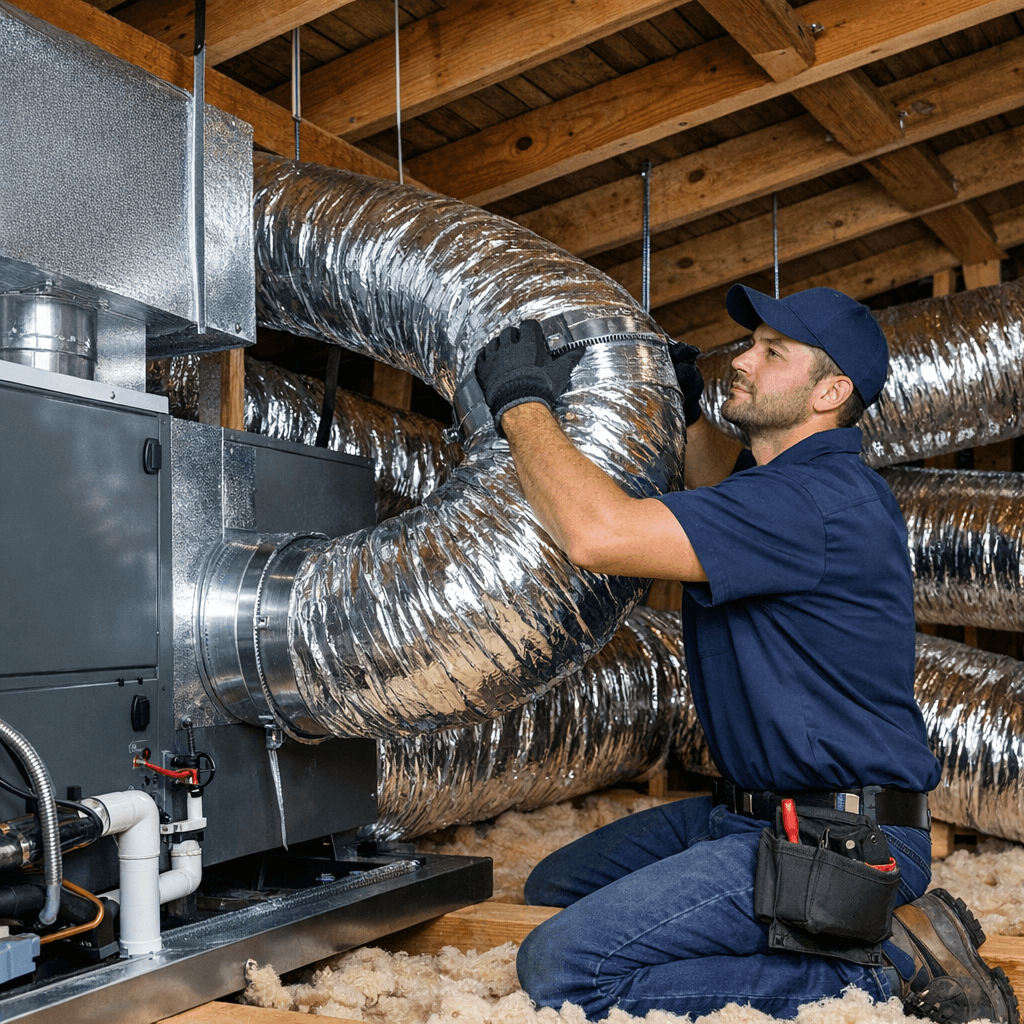
Duct replacement means removing and installing new duct runs (partial or full). Replacement is used when duct materials, layout, or condition makes sealing/patching unreliable—or when repairs would cost nearly as much as doing it right once.
Replacement may include:
- Full replacement: Most or all supply/return ductwork is replaced
- Partial replacement: Only failed sections are replaced (common when a few runs are damaged)
- Rebuild at key points: New plenums, new returns, new boots, improved transitions
If you're researching when to replace air ducts Florida, focus less on age alone and more on condition, performance, accessibility, and how long repairs are likely to last in a hot, humid environment.
Duct sealing vs replacement: the practical differences
Use this quick comparison to decide which direction is more realistic.
Choose duct sealing when…
- Ductwork is mostly intact and properly routed
- You have identifiable leaks at joints or connections
- Airflow issues are localized (a few rooms) and the cause is clear
- Insulation is in decent shape or can be repaired
- You want the least invasive fix that still improves performance
Choose duct replacement when…
- Duct sections are crushed, collapsed, disconnected, or severely sagging
- Materials are deteriorated (brittle flex duct, failing inner liner, damaged board)
- There's widespread insulation failure and moisture problems along the runs
- Repairs would be extensive and still leave you with a compromised system
- You need layout improvements (returns, sizing, balancing) to solve comfort issues
In other words: sealing is about stopping leakage; replacement is about restoring (or redesigning) the system's integrity.
Warning signs you can seal or repair ductwork
These are common signs where duct repair options—especially sealing—often make sense:
- Uneven temperatures in a few rooms (hot spots or cold spots)
- Weak airflow from some vents while others feel normal
- Dust streaks around supply registers (can indicate leakage or poor fit)
- Rattling or whistling at a vent when the system runs (often gaps or loose connections)
- Higher-than-expected cooling costs without a clear equipment failure
- Visible loose joints or old, failing tape at accessible connections
- Disconnected or leaking return pathways (common comfort and performance culprit)
A good contractor will confirm with a visual inspection and, when appropriate, pressure-based diagnostics—not just guess based on symptoms.
Quick CTA: Get a duct repair estimate in Florida
If you're seeing these signs and want a clear plan, call Air Duct & Chimney Services at 813-513-7861 or book an inspection here: https://proairchimney.com/contact. You can also review our duct repair service details: /services/duct-repair
Warning signs you should replace ductwork
Replacement is usually the better call when fixes won't hold up, or when the system can't be sealed to a dependable standard.
Look for:
- Collapsed, crushed, or heavily kinked flex duct
- Duct runs that are disconnected (especially in attic or crawl spaces)
- Major sagging where the duct no longer maintains proper airflow
- Brittle, torn, or deteriorating duct materials
- Widespread insulation damage on duct runs (in humid conditions this can lead to persistent condensation problems)
- Recurring moisture issues around ducts that don't resolve after targeted corrections
- Extensive prior patching (multiple "fixes" that never fully solved comfort problems)
- Persistent airflow imbalance that points to layout/sizing issues, not just leaks
If multiple red flags show up across the system, "seal or replace ductwork" becomes less of a debate—replacement (full or partial) is often the most reliable long-term route.
Florida-specific factors that affect duct decisions
Florida conditions can make marginal ductwork fail faster and make poor repairs show up sooner.
Key factors:
- Humidity + hot attics: Duct insulation and vapor barriers matter. If insulation is damaged or improperly installed, condensation can become an ongoing issue.
- Long cooling seasons: Duct leakage wastes conditioned air for more months of the year, increasing operating cost and comfort complaints.
- Attic access realities: Some homes have duct runs that are hard to reach without disturbing other components. Accessibility affects what can be sealed properly versus what should be replaced.
- Older duct materials and aging tape: "Quick fixes" using the wrong materials tend to fail. Long-lasting work focuses on correct sealing methods at joints and transitions.
If you're trying to decide when to replace air ducts Florida, think in terms of durability in humidity, not just whether air moves through the duct today.
Cost ranges, scams to avoid, and how to compare estimates
Approved price guidance (what you should expect)
- Duct sealing: varies by scope (The total depends on how many leaks, how accessible the system is, and whether repairs are localized or widespread.)
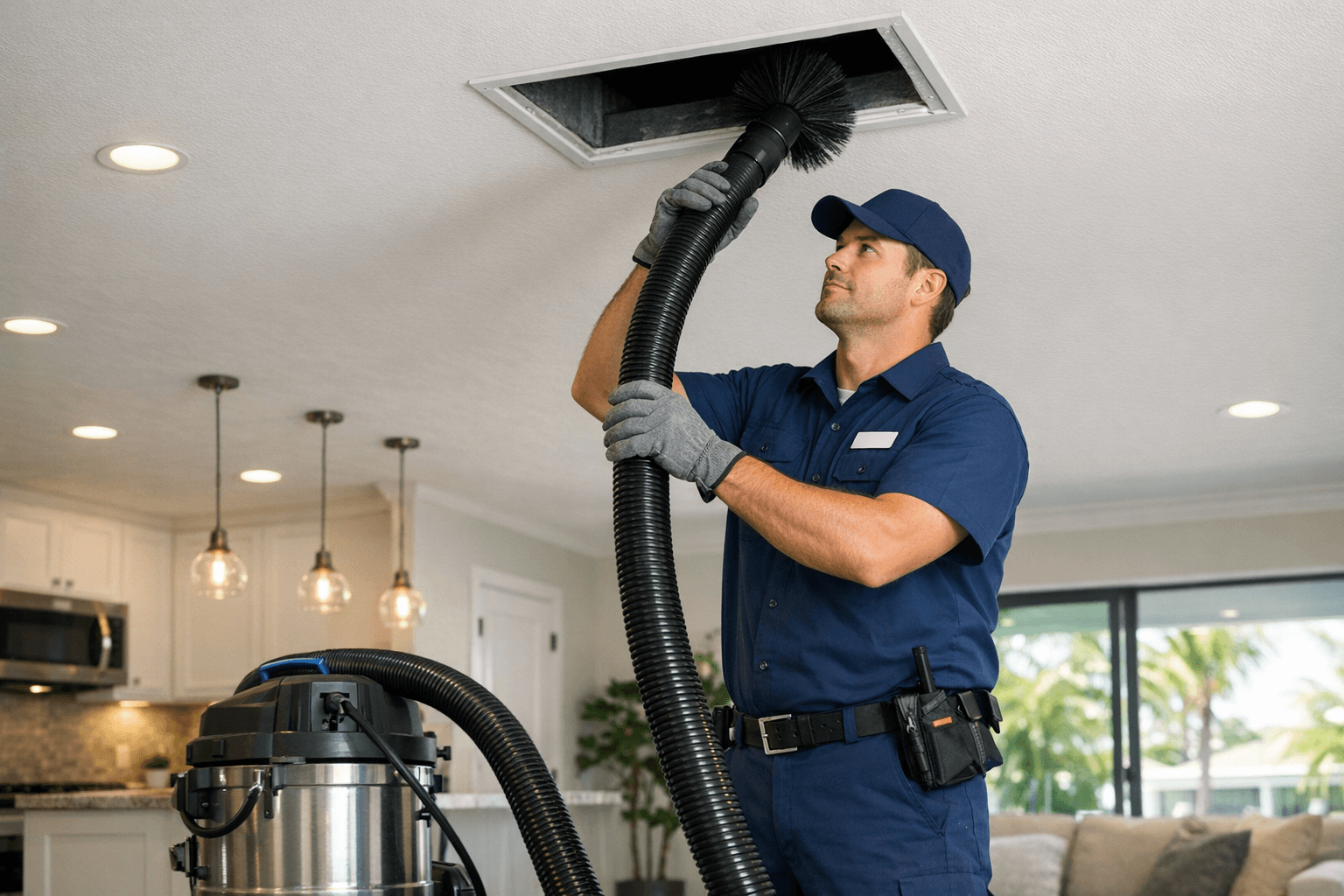
- Air duct cleaning: $300–$700 Cleaning is not automatically needed on a schedule; it's typically recommended when there's a specific reason (verified buildup, after renovation, contamination events, or system performance issues tied to debris).
If you're evaluating cleaning, start here: /services/air-duct-cleaning
Warning: bait-and-switch "$99 whole-house" offers
Be cautious with ultra-low advertised prices (for cleaning or "sealing specials"). Common problems include:
- One price advertised, then high-pressure add-ons after arrival
- Vague claims about "toxic mold" without documentation
- Rushed work that doesn't actually address the problem (or damages ducts)
- No clear scope: number of vents, returns, main trunk lines, access points, and what's included
A professional estimate should clearly state what is being sealed or replaced, how it will be accessed, and what verification will be used (before/after documentation, airflow checks, or other measurable indicators).
How to compare estimates (simple checklist)
When comparing duct sealing vs replacement proposals, look for:
- A written scope listing which sections are being addressed (not "whole system" with no detail)
- Materials and methods: what sealant approach, what duct type, what insulation standard for replaced runs
- Access plan (attic, soffit, wall cavities) and how the contractor will protect the home
- Whether they will address obvious causes of failure (supporting sagging runs, reconnecting sections, sealing boots/returns)
- Clear exclusions (what's not included) so there are no surprises
How a proper duct inspection should work
A reliable duct recommendation should come from a real inspection—not a guess.
A typical, thorough process includes:
- Visual assessment of accessible supply and return runs
- Checking connections at boots, plenums, and air handler interfaces
- Looking for disconnections, crushed sections, tears, and sagging
- Identifying insulation damage and areas prone to condensation
- Confirming likely leakage points and comfort complaints room-by-room
- Sharing findings in plain language (photos help) with repair vs replacement reasoning
If you want a documented inspection first, start here: /services/system-inspections
Related services that often go with duct work
Some issues that look like duct failure are actually caused (or worsened) by adjacent problems. These services are commonly paired with duct repairs or replacements in Florida homes:
- System inspections: Identify whether the issue is duct leakage, airflow design, or equipment-side limitations. /services/system-inspections
- Air duct cleaning (when needed): Useful when there's verified buildup or after certain events—not as a mandatory routine. Typical range: $300–$700 /services/air-duct-cleaning
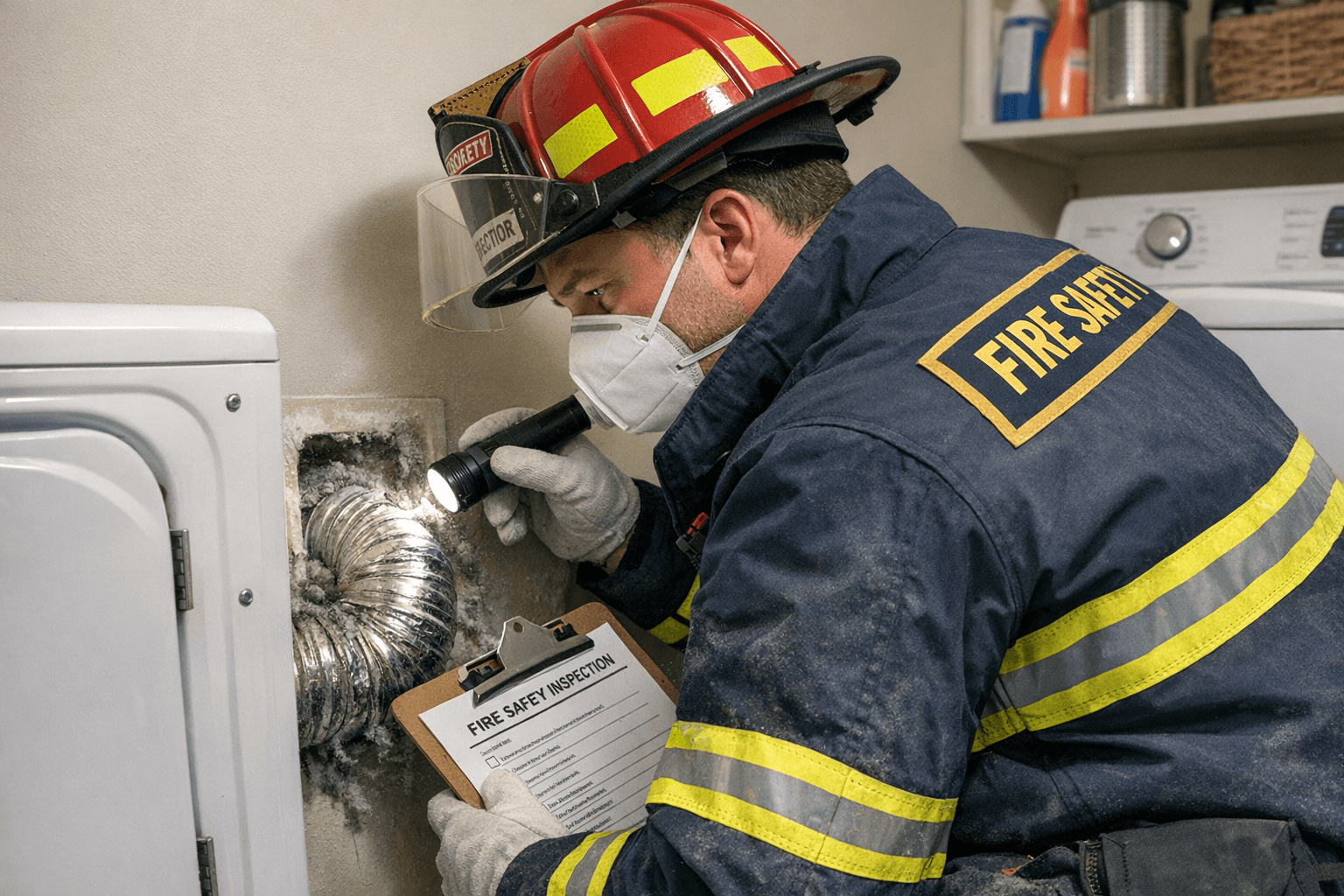
- Dryer vent cleaning: Reduces lint buildup risk and supports dryer performance. /services/dryer-vent-cleaning
Service areas in Florida
Air Duct & Chimney Services provides duct services in Florida, including:
- /air-duct/orlando
- /air-duct/miami
- /air-duct/tampa
- /air-duct/jacksonville
- /air-duct/gainesville
- /air-duct/sarasota
See all coverage here: /service-areas
Ready to schedule? Contact us: /contact or call 813-513-7861.
FAQ
Is duct sealing worth it if my ducts are older?
Often, yes—if the ductwork is still structurally sound and the main issue is leakage at joints and connections. If materials are failing (tears, collapse, widespread insulation problems), replacement is usually more dependable.
Can I seal ductwork myself?
Minor air leaks at easily accessible joints may be addressable, but proper results depend on using appropriate materials and reaching the right locations safely. Many major leakage points are in attics or hard-to-access runs, where partial sealing can leave the bigger leaks untouched.
When should I replace air ducts in Florida?
Replace when the duct system has widespread physical damage (collapse, disconnections, severe sagging), deteriorated materials, or problems that are unlikely to stay fixed with patching. Florida humidity also makes insulation and vapor barrier integrity especially important.
Does air duct cleaning replace the need for sealing or replacement?
No. Cleaning addresses debris and buildup when needed; it doesn't fix air leakage, disconnections, crushed runs, or duct design issues. If performance problems come from leaks or damage, sealing or replacement is the correct solution.
How do I avoid duct service scams?
Be cautious with very low advertised prices (like $99 "whole-house" deals). Ask for a written scope, what's included, and documentation of findings. Avoid any company that uses fear-based language or pushes expensive add-ons without clear evidence.