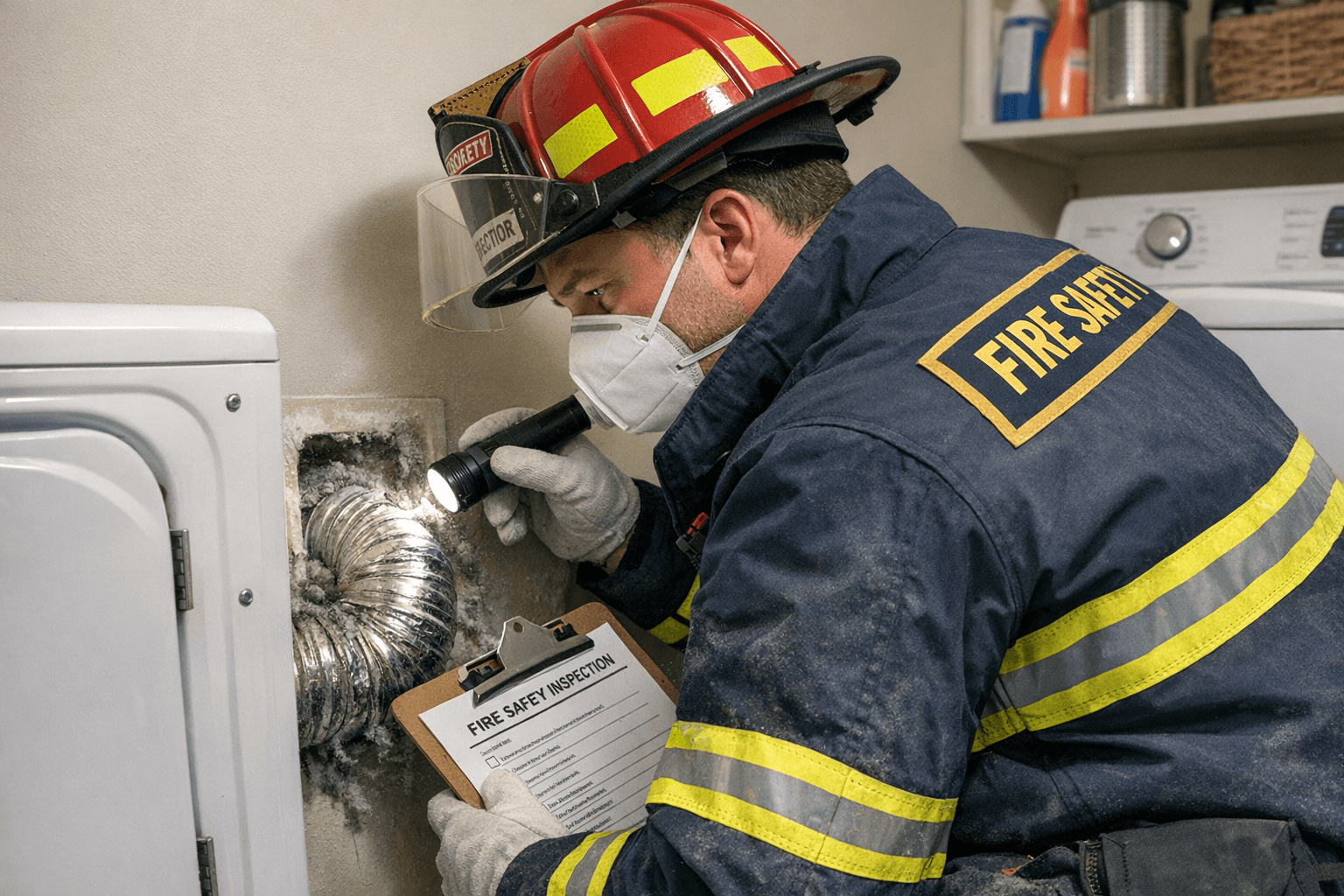
Dryer Fire Prevention Checklist for Florida Homeowners
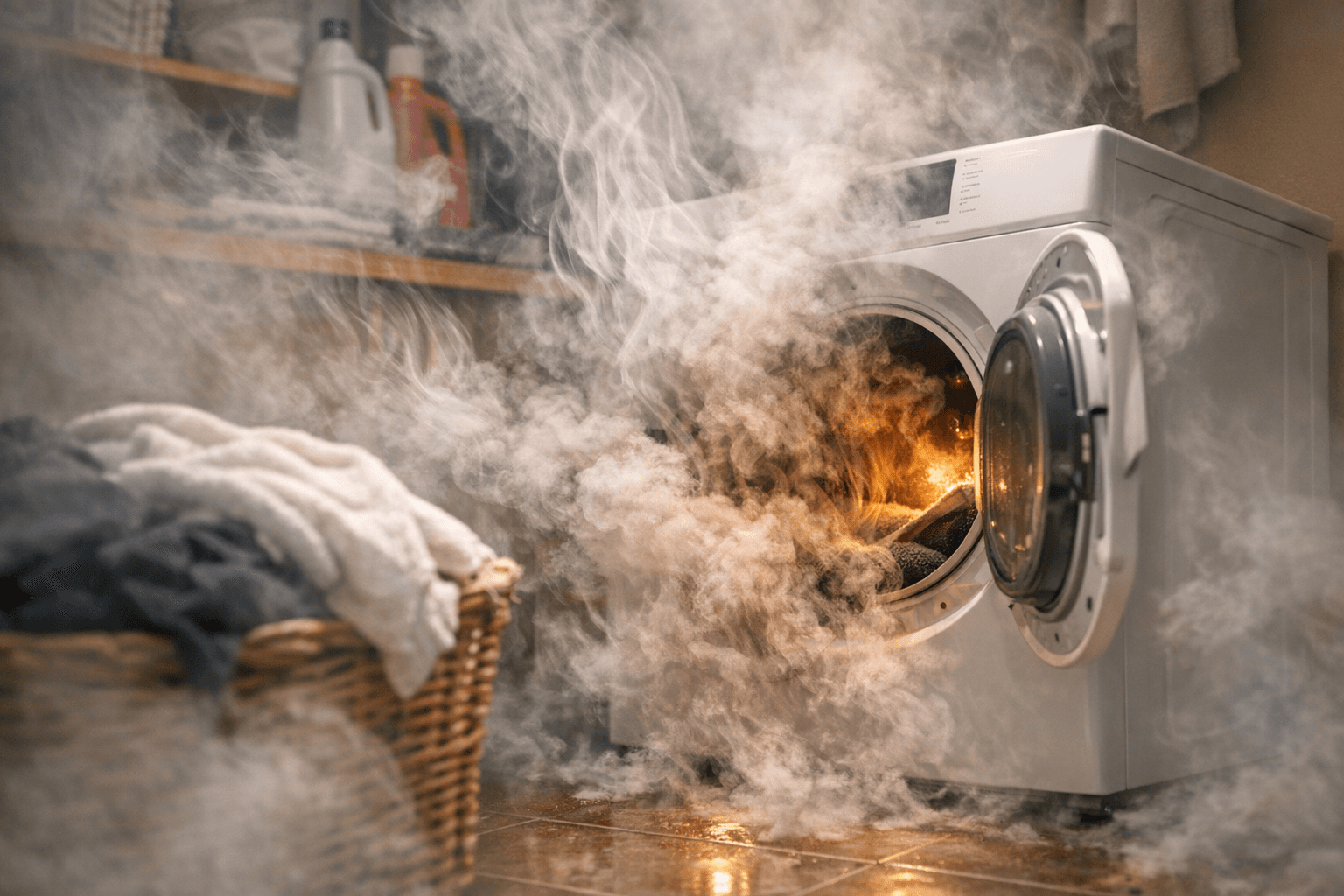
Dryer fires usually start the same way: restricted airflow, rising heat, and lint that has nowhere to go. The good news is that most dryer fire prevention steps are simple, low-cost habits plus occasional maintenance when your system shows it needs it.
National fire data shows why this matters. The U.S. Fire Administration estimates about 2,900 clothes dryer fires per year with deaths, injuries, and property loss, and notes failure to clean as a leading factor. NFPA research also reports thousands of home fires involving laundry equipment, with dryers responsible for the vast majority and lint and clothing among the most commonly ignited materials. Use these stats as motivation, then focus on the fixes below.
If you want an estimate for professional help in Florida, call Air Duct & Chimney Services at 813-513-7861 or schedule at https://proairchimney.com/contact.
Table of contents
- Why dryers catch fire
- Dryer fire prevention checklist
- Warning signs of a dryer vent fire hazard in Florida
- Call now for an inspection or estimate
- What to check outside at the vent termination
- Safer venting and install details that reduce risk
- DIY lint removal vs professional dryer vent cleaning
- Dryer vent cleaning cost in Florida
- Avoid bait-and-switch 99 dryer vent cleaning offers
- Related services that support home safety
- FAQ
- Sources
Why dryers catch fire
A dryer needs strong airflow to move heat and moisture out of the drum. When airflow is restricted, temperatures climb and lint becomes more dangerous.
Common causes behind a dryer lint fire include:
- Lint buildup in the lint screen area, blower housing, transition duct, or the wall duct
- Crushed or kinked venting behind the dryer (easy to do when pushing the unit back)
- Long vent runs with multiple bends, which collect lint faster
- Improper materials, like plastic or thin foil-style venting that can trap lint
- Blocked exterior hood, including stuck dampers and debris at the termination
Florida homes can be more prone to buildup at the outside hood because wind-driven rain, landscaping debris, and pests can interfere with the damper. The result is the same: restricted exhaust and hotter drying cycles.
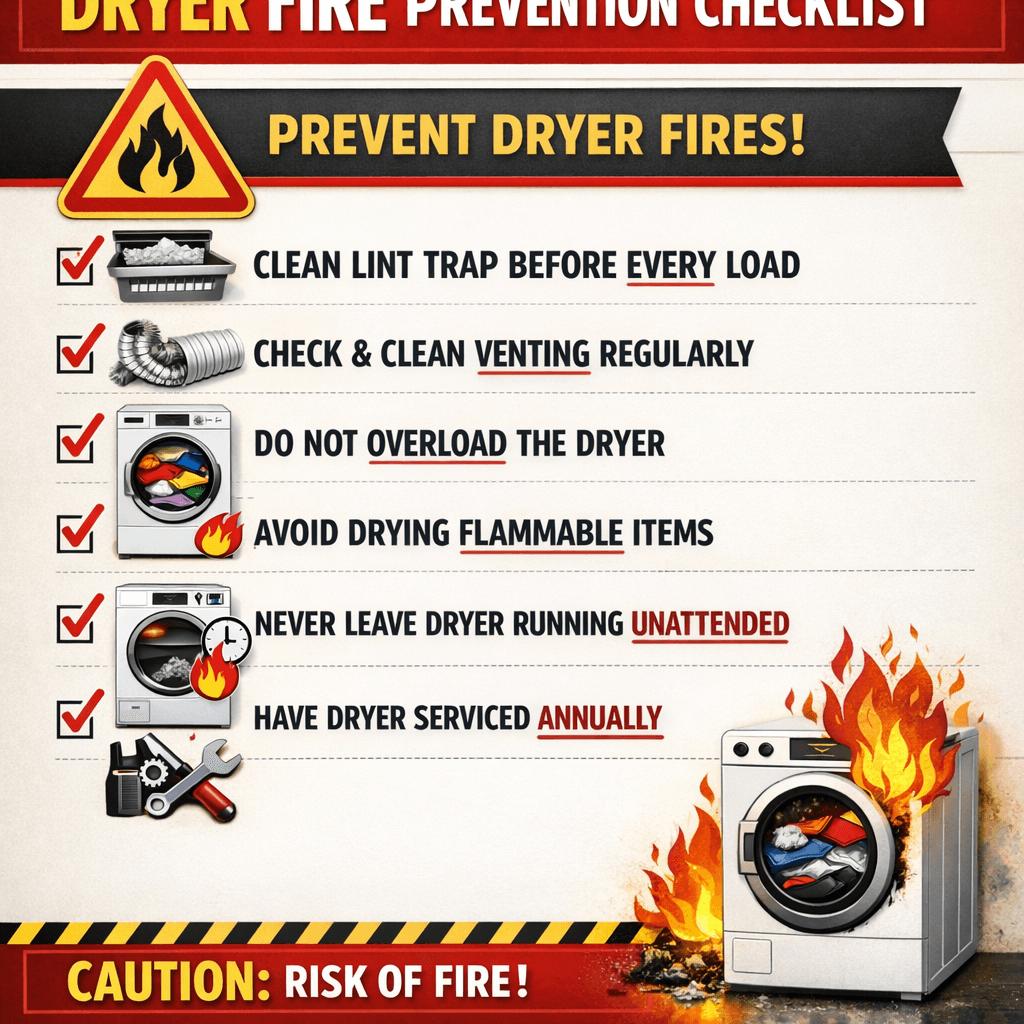
Dryer fire prevention checklist
Use this checklist to prevent dryer fires without overcomplicating things.
Every load
- Clean the lint screen (remove lint and check the edges)
- Do not overload the drum (overloading reduces airflow and increases heat)
- Avoid drying items that should not be heat-dried, especially anything with foam, rubber, or plastic components
- Stay home while the dryer runs and avoid running it while sleeping
Weekly
- Vacuum lint around the dryer (floor, sides, and behind the unit if accessible)
- Check the door seal area for lint buildup
- Look for lint "snow" behind the dryer, which can signal a loose connection
Monthly
- Inspect the transition duct (the short section from dryer to wall) for:
- crushing, kinks, sagging, or tears
- loose clamps or tape failure
- Run the dryer and check airflow at the outdoor hood (strong, steady exhaust)
As needed, based on conditions
This is the most important part. Cleaning is not about a rigid schedule. It is about cleaning when needed, based on performance and visible conditions.
Plan for a deeper inspection and possible professional cleaning when you notice:
- longer drying times
- overheating
- burning odor
- repeated lint accumulation around the dryer
- weak airflow at the exterior hood
For professional service details, see our dryer vent cleaning page.
Warning signs of a dryer vent fire hazard in Florida
These signs usually mean airflow is restricted somewhere between the dryer and the outside termination. Treat them as a safety issue first, not just an efficiency issue.
- Clothes need more than one cycle to dry
- The dryer feels hotter than normal on the top or front
- The laundry room feels humid or unusually warm during operation
- A burning smell during or after cycles
- The outside hood has weak airflow or the damper barely opens
- Lint is collecting behind the dryer or around the wall connection
- The dryer shuts off mid-cycle (some units do this when overheated)
If any of these are happening, stop pushing the dryer harder with longer cycles. That increases heat and can increase risk.
Call now for an inspection or estimate
If your dryer is taking longer to dry, feels hot, or you see lint around the vent connection, schedule an inspection.
- Call Air Duct & Chimney Services: 813-513-7861
- Schedule online: https://proairchimney.com/contact
- Prefer to review service options first: system inspections and dryer vent cleaning
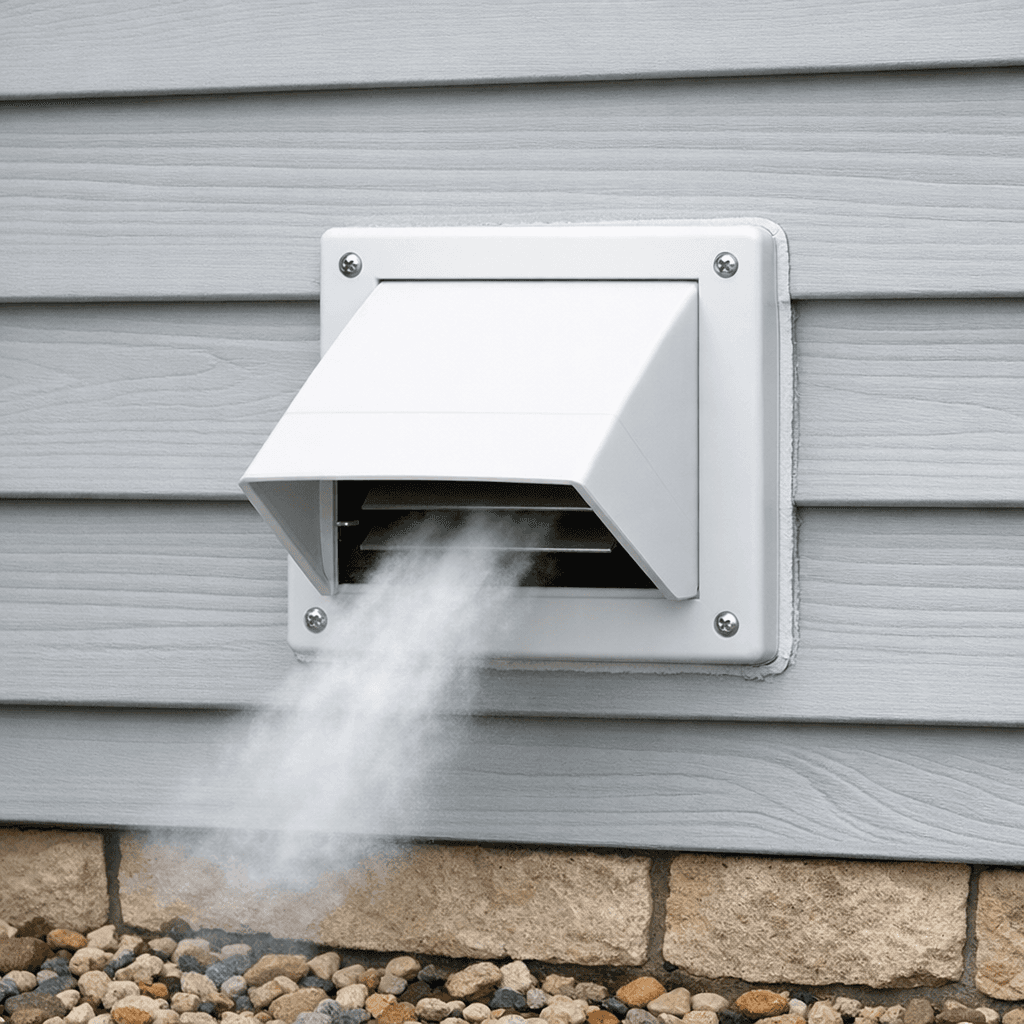
What to check outside at the vent termination
Your exterior hood is a common choke point. A blocked termination can turn a normal load into a hotter, longer cycle.
Look for:
- A damper that does not open fully while the dryer runs
- Lint matting at the hood outlet
- Screens or mesh that trap lint (many screens clog quickly and are a frequent restriction point)
- Damage or missing hood parts that allow debris to enter
- A hood location that is too close to shrubs or ground cover, increasing clog risk
If you remove lint at the hood and airflow is still weak, the restriction is likely deeper in the line.
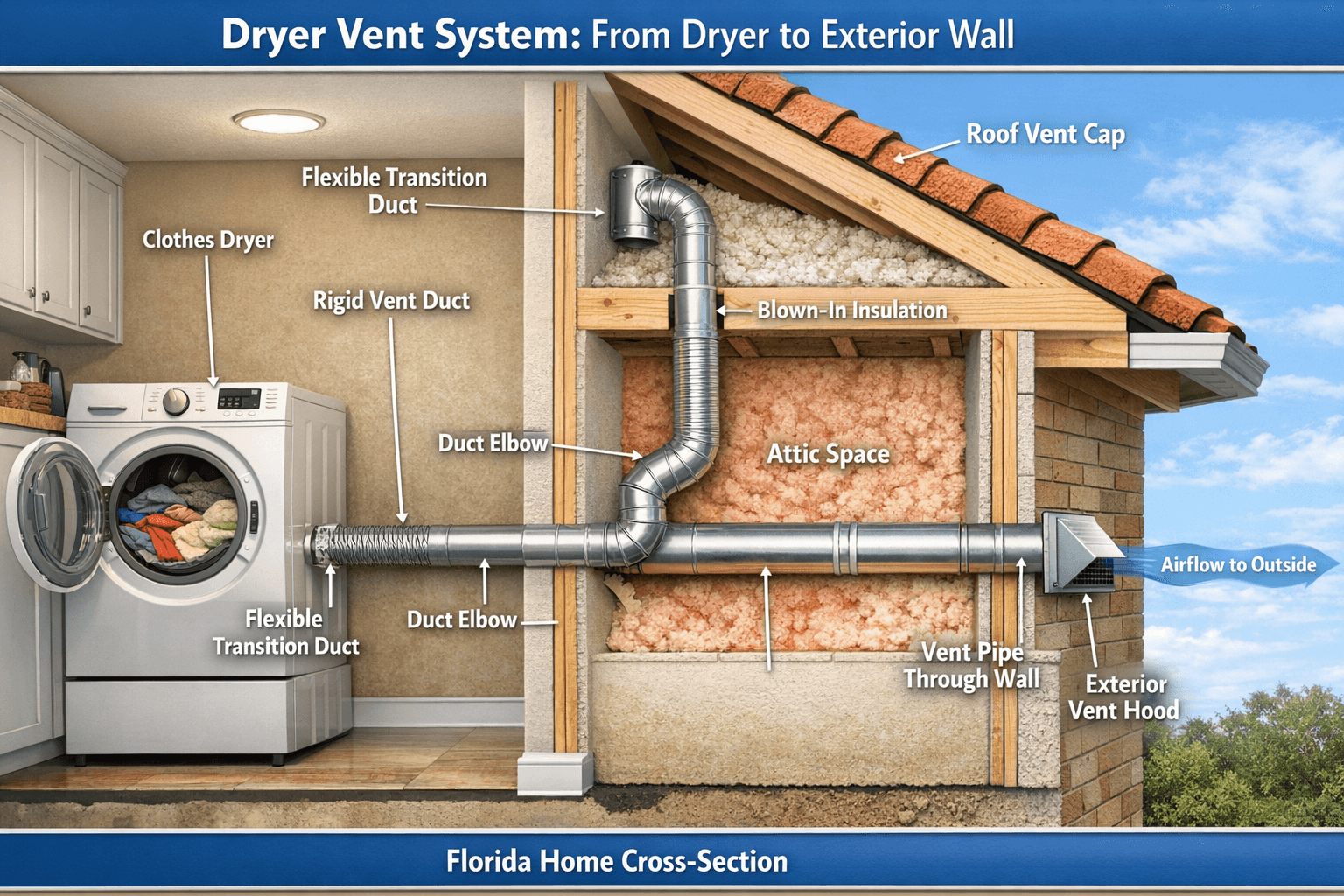
Safer venting and install details that reduce risk
Small venting upgrades can reduce the chance of a dryer vent fire hazard in Florida, especially in homes with tight laundry closets or longer duct runs.
Prioritize these basics:
- Use metal venting where possible
- Smooth interior surfaces help lint move out instead of collecting.
- Keep the run as short and straight as practical
- Every bend is a lint collection point.
- Avoid crushed ducts behind the dryer
- Leave enough clearance and use a connection that does not collapse easily.
- Ensure the dryer exhausts outdoors
- Exhausting into attics, crawlspaces, or garages can create moisture issues and is a safety problem.
- Seal and secure connections correctly
- Loose joints leak lint into the home and reduce airflow.
If you suspect the duct is damaged, torn, or disconnected inside a wall or ceiling, consider a diagnostic visit through our system inspections team. If repairs are needed, see duct repair.
DIY lint removal vs professional dryer vent cleaning
Basic DIY maintenance helps, but it does not reach the full vent path in many homes.
What DIY can do well
- Clean the lint screen every load
- Vacuum around the dryer base and behind the unit
- Check the outside hood for visible lint and a working damper
Where DIY often falls short
- Lint buildup deeper in the duct run, especially:
- long runs
- multiple elbows
- vertical routing
- hidden transitions inside walls or ceilings
What professional service typically includes
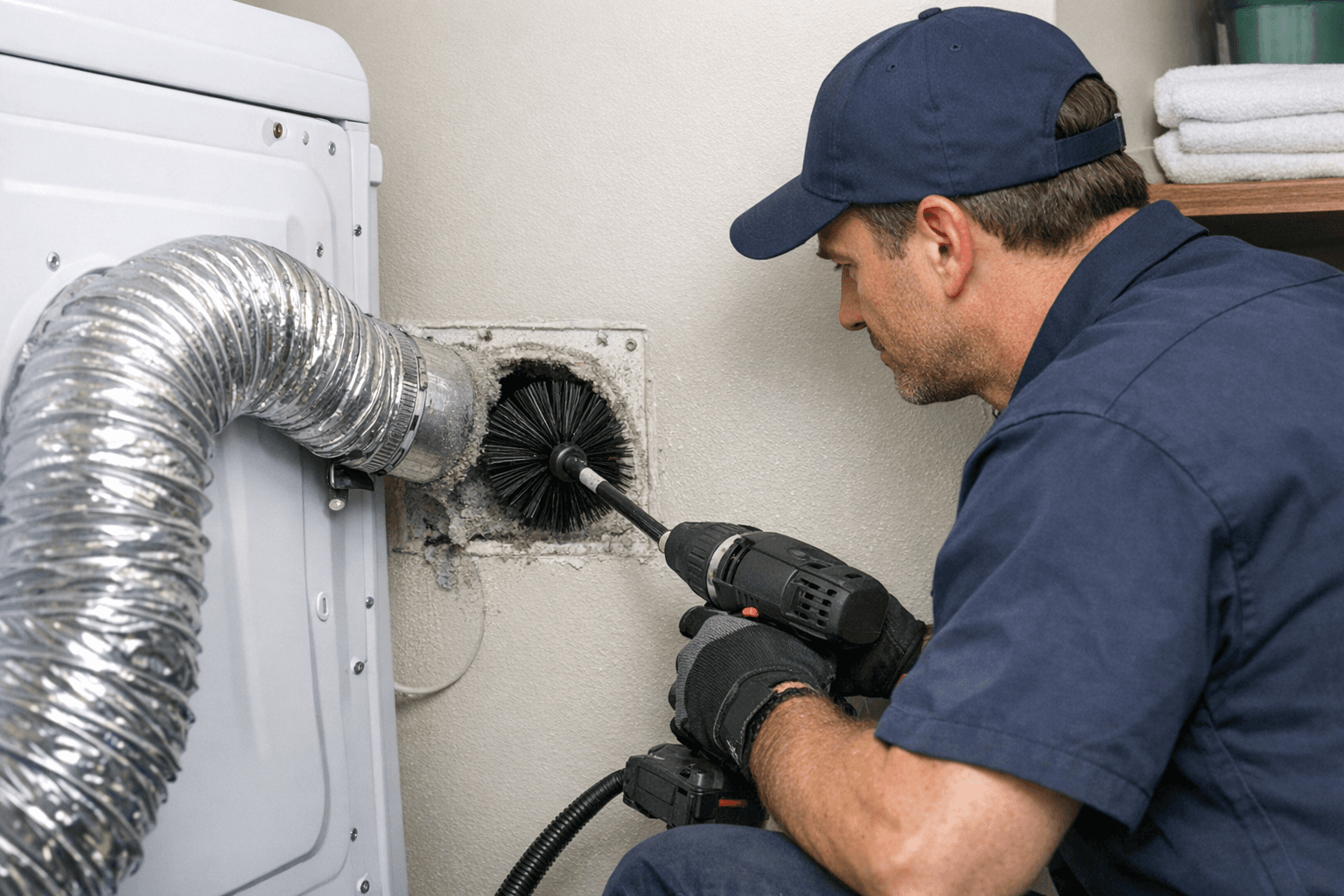
A professional dryer vent cleaning should focus on mechanically removing lint from the full path, not just the visible areas.
A typical visit may include:
- Airflow restriction check and visual inspection of connections
- Lint removal from the transition duct and accessible vent line
- Exterior termination check and cleaning
- Identification of common hazards (crushed ducting, excessive bends, poor termination)
For details and scheduling, visit dryer vent cleaning or book directly at https://proairchimney.com/contact.
Dryer vent cleaning cost in Florida
For most homes, dryer vent cleaning costs $100-$175 in Florida, depending on access, vent length, and how restricted the line is.
This range is meant to set expectations and reduce surprises. If a quote is dramatically lower, read the next section carefully.
Avoid bait-and-switch 99 dryer vent cleaning offers
Florida homeowners regularly report "too good to be true" pricing that turns into high-pressure add-ons once a technician arrives.
Red flags to watch for:
- A $99 special that does not clearly define what is included
- Pricing that covers "one vent" but excludes the actual full run
- Claims that your home is "unsafe" without showing you the blockage
- Sudden upsells for unnecessary parts or unrelated services
- Vague language like "whole system cleaning" without specifics
A legitimate dryer fire prevention service should be able to explain:
- what parts of the vent path will be cleaned
- how restrictions are identified
- what is needed now vs what is optional later
Related services that support home safety
Dryer vent safety overlaps with broader home airflow and exhaust safety.
Helpful related services:
- System inspections for airflow, vent routing, and safety checks
- Duct repair if connections are leaking or ductwork is damaged
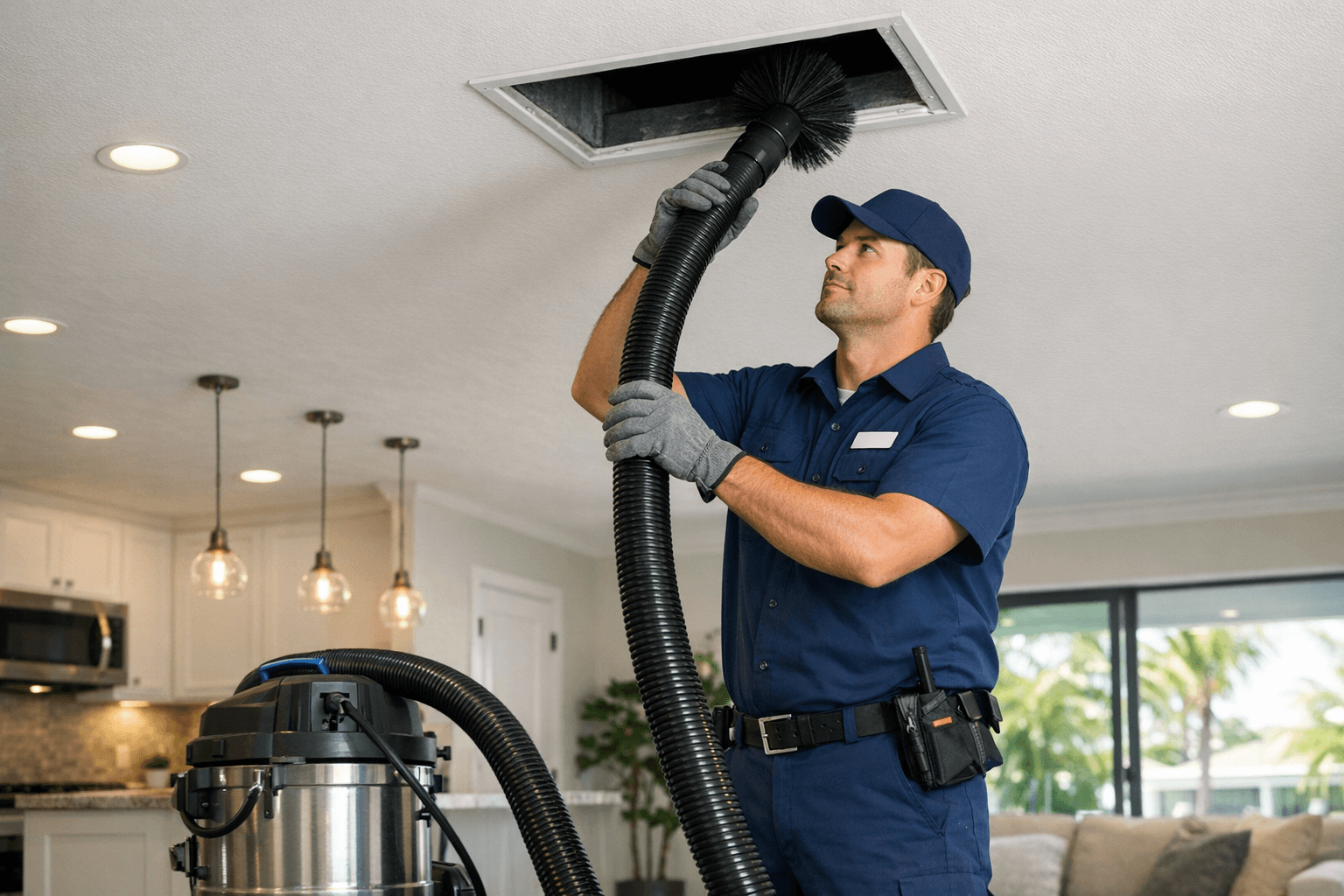
- Air duct cleaning when conditions indicate it is needed (avoid anyone promising universal benefits or mandatory schedules)
If you also use a fireplace or have venting that needs attention, these services may help support overall home safety:
To see where we operate across Florida, visit service areas. To schedule, use contact or book at https://proairchimney.com/contact.
FAQ
How dryer vent cleaning helps with dryer fire prevention
Removing lint from the vent path reduces restricted airflow and heat buildup, which are common contributors to dryer fires. It also helps the dryer exhaust moisture more effectively, reducing the temptation to run repeated hot cycles.
What causes a dryer lint fire most often
Lint becomes dangerous when airflow is restricted and heat rises. Common contributors include lint buildup in the vent line, crushed transition ducts, blocked exterior dampers, and long vent runs with multiple bends.
How to know when a dryer vent needs cleaning
Look for longer drying times, overheating, burning odors, weak airflow at the exterior hood, and repeated lint accumulation behind the dryer. These are practical indicators that cleaning may be needed rather than relying on a fixed schedule.
What vent materials are safer for preventing dryer fires
Metal venting with a smoother interior generally allows better airflow and reduces lint snagging compared to plastic or thin foil-style venting. A shorter, straighter path also reduces buildup points.
What a professional dryer vent cleaning appointment includes
A proper appointment focuses on clearing lint from the full vent path to the exterior and confirming airflow. It should also include basic safety observations like crushed ducting, loose connections, or a blocked termination.
How much dryer vent cleaning costs in Florida
Typical pricing is $100-$175 for most homes, with variation based on access and vent complexity.
Does air duct cleaning prevent dryer fires
Air duct cleaning and dryer vent cleaning are different services. Dryer fire prevention focuses on the dryer exhaust line. Air duct cleaning may be appropriate for HVAC system conditions, but it does not replace dryer vent maintenance.